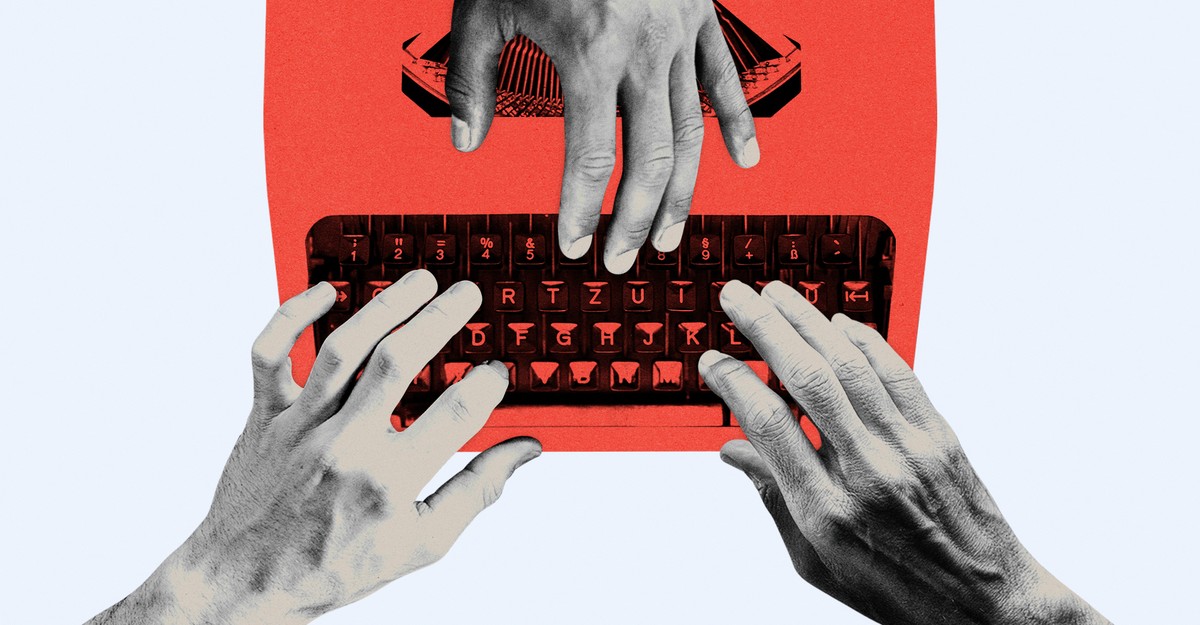
"That type of copying is pretty normal, and they teach it in school. It's how you learn (and how you become depressed). But in the age of generative AI, there are many new kinds of copying. For instance, Wired reported last week on a tool offered by Grammarly, which briefly offered users the opportunity to put their writing through something called "Expert Review.""
"This produced AI-generated advice purportedly from the perspective of a bunch of famous authors, a bunch of less-famous working journalists (including myself, per The Verge's reporting), and a bunch of academics (including some who had recently died). A lot of people got really mad about it because none of the experts had agreed for their work to be used in such a way, or to serve as uncompensated marketing for an app."
Learning to write by studying great authors like Joan Didion represents a traditional form of copying that develops writing skills through careful analysis. However, generative AI introduces unprecedented copying methods, exemplified by Grammarly's brief "Expert Review" feature that generated writing advice attributed to famous authors, journalists, and academics without their consent or compensation. The tool impersonated these experts to market the application, prompting widespread criticism and swift deactivation. This incident highlights how AI-enabled copying differs fundamentally from conventional literary study, raising significant ethical questions about intellectual property, consent, and the unauthorized use of people's professional identities and work.
#generative-ai-ethics #unauthorized-use-of-identity #intellectual-property #ai-generated-content #consent-and-compensation
Read at The Atlantic
Unable to calculate read time
Collection
[
|
...
]