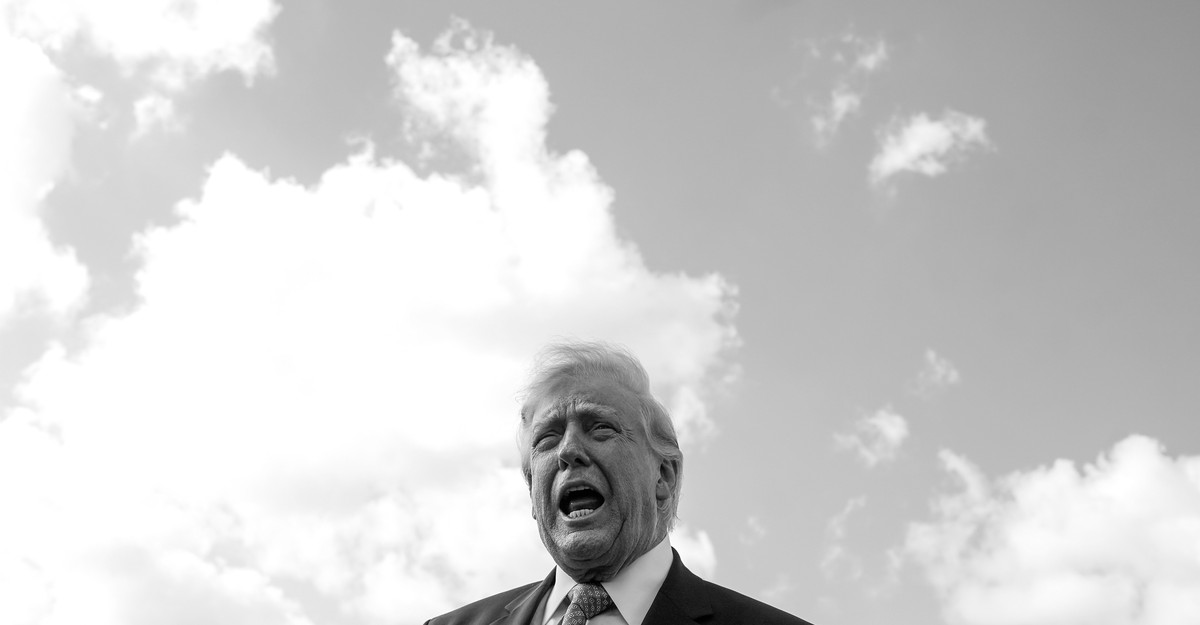
The madman theory, introduced by H. R. Haldeman in Nixon's memoir, involves leaders pretending to be irrational to intimidate adversaries. Nixon used this strategy during the Vietnam War to seek a face-saving exit. Successful powers emphasize predictability, while those feeling weak may resort to bluster. Donald Trump's attempts to use a madman strategy during the Iran conflict failed, as he appeared more desperate for a deal than his opponents. The strategy relies on deception and credibility, with the losing side often being the one that desires a resolution more.
"The most important thing to understand about the 'madman theory' of foreign policy is that it was designed by losers for losers. Nobody executes a madman strategy when he feels that he's winning."
"When China's foreign minister speaks to the world, he uses language such as 'China will be a reliable force for stability' and China 'is providing the greatest certainty in this uncertain world.'"
"A good rule of thumb is that the side that wants a deal more is the side that is losing. The madman strategy is for not-crazy leaders caught in adverse predicaments."
Read at The Atlantic
Unable to calculate read time
Collection
[
|
...
]