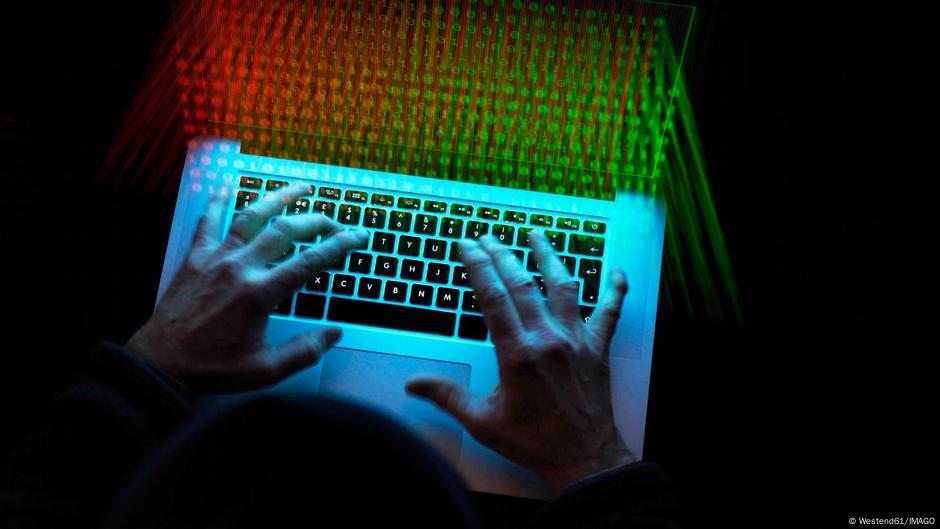
"Rerouting traffic through proxies or virtual private networks, known as VPNs, often helps access websites that have been blocked by authoritarian governments. But tech-savvy system administrators in countries like China, Russia, Belarus and Iran have long since recognized and sought to plug these loopholes. That's why these administrators have begun building their own segregated internet ecosystems complete with online banking, trading and social media platforms. These splinternets, as they're known, are detached from the global internet system."
"Users who want to connect to such splinternets must disclose their true identity by providing telephone numbers, IP addresses and copies of personal documents. In addition, some providers also require live selfie videos and precise GPS location data. The aim is to prevent anyone from using such networks anonymously, and to block access from abroad. "The message is clear: If you're not identifiable to the state, you don't get to participate in the information space it controls," wrote journalist and anti-censorship expert Patrick Bohler. "Autocrats have learned they don't need the same communication channels as everyone else. They can build their own and decide who gets in.""
"The consequences became apparent as early as 2022, during the Iran uprising following the death of 22-year-old Kurdish woman Jina Mahsa Amini. When protesters created social media accounts, Iranian authorities were able to identify them within just a few hours. Something similar happened that same year in China amid protests over the Communist leadership's strict COVID-19 policy. Thanks to registered SIM cards, device IDs and the requirement for individuals to use their real names online, Chinese authorities swiftly identified and arrested government critics."
Rerouting traffic through proxies or virtual private networks can bypass government blocks, but administrators in countries such as China, Russia, Belarus and Iran have created segregated internet ecosystems to close those loopholes. These splinternets host services like online banking, trading and social media while remaining detached from the global internet. Connection requires telephone numbers, IP addresses, copies of personal documents, and sometimes live selfie videos and precise GPS location data. The measures aim to prevent anonymous access and block foreign connections. Authorities use registered SIM cards, device IDs and real-name requirements to rapidly identify and detain critics and protesters.
Read at www.dw.com
Unable to calculate read time
Collection
[
|
...
]