KPMG chief economist Diane Swonk uses chaos theory to illustrate how the Iran conflict could create cascading economic effects globally. Two scenarios are outlined: a base case where the war lasts weeks with the Strait of Hormuz closed temporarily, followed by Trump's concession and easing oil prices by late March, though a risk premium persists. A second scenario envisions a three-to-six-month conflict with severe regional oil production damage, pushing prices above $130 per barrel and remaining elevated for nearly a year. In the extended conflict scenario, core inflation could reach 4.1% by year-end, unseen since May 2023. Even the base case predicts fourth-quarter 2026 inflation of 3.3% year-over-year. This conflict adds uncertainty to an already fragile U.S. economy.
"If there's anything the history of evolution has taught us, it's that life will not be contained. Life breaks free, it expands to new territories and crashes through barriers, painfully, maybe even dangerously."
"In the scenario where the war continues for months and oil production is severely hindered, Swonk predicts core inflation could rise 4.1% by the end of the year, a rate not seen since May 2023. But even in the base case, Swonk predicts a spike in inflation in the fourth quarter of 2026, rising 3.3% year over year."
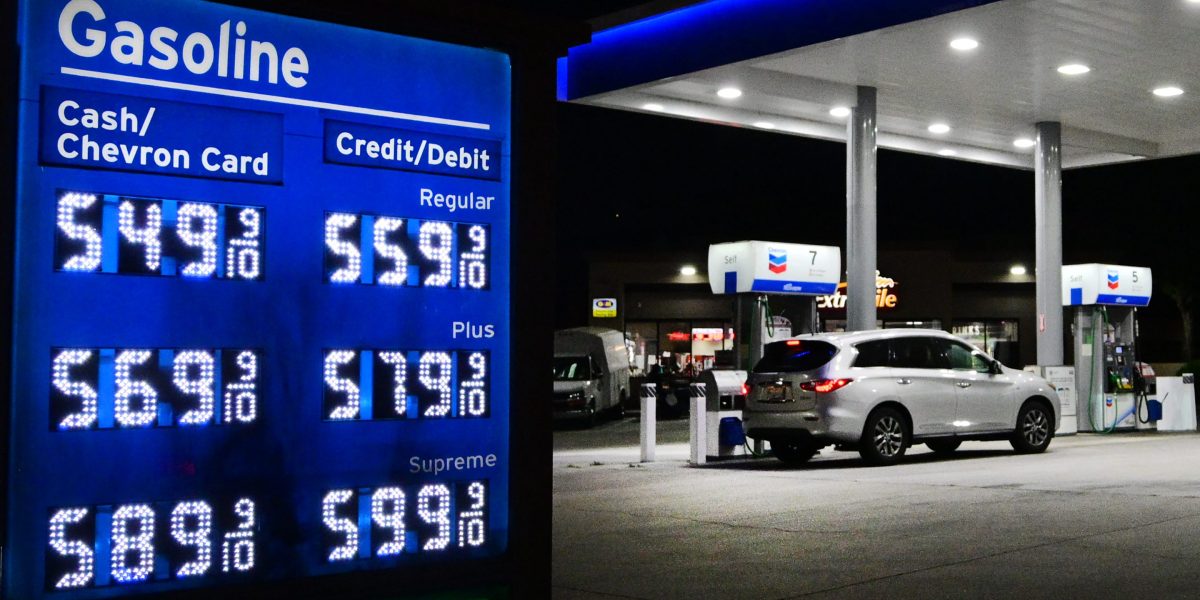
"The second scenario imagines a war extending for three to six months, with significant damage to regional oil production and infrastructure, sending oil prices north of $130 per barrel. In this scenario, oil prices would remain above pre-conflict levels for almost a year."
#iran-conflict-economic-impact #oil-prices-and-inflation #chaos-theory-economics #global-supply-chain-disruption
Read at Fortune
Unable to calculate read time
Collection
[
|
...
]