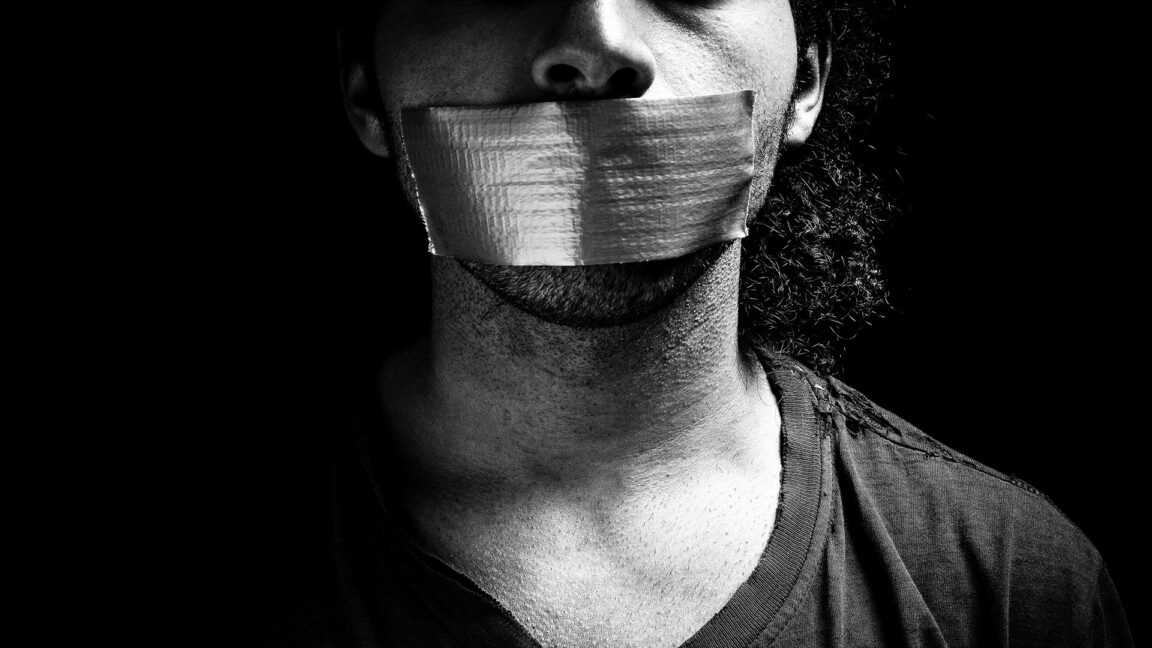
"Freedom of speech is a foundational principle of healthy democracies and hence a primary target for aspiring authoritarians, who typically try to squash dissent. There is a point where the threat from authorities is sufficiently severe that a population will self-censor rather than risk punishment. Social media has complicated matters, blurring traditional boundaries between public and private speech, while new technologies such as facial recognition and moderation algorithms give authoritarians powerful new tools."
"The authors had previously worked together on a model of political polarization, a project that wrapped up right around the time the social media space was experiencing significant changes in the ways different platforms were handling moderation. Some adopted a decidedly hands-off approach with little to no moderation. Weibo, on the other hand, began releasing the IP addresses of people who posted objectionable commentary, essentially making them targets."
Freedom of speech is a foundational principle of healthy democracies and a primary target for aspiring authoritarians who typically try to squash dissent. When threats from authorities reach sufficient severity, populations will self-censor to avoid punishment. Social media blurs public and private speech and introduces new surveillance and control tools, including facial recognition and automated moderation algorithms. Different platforms adopt dramatically different moderation strategies, creating varied incentives for users to speak out or remain silent. Some platforms take hands-off approaches while others expose user information, and nation-state surveillance strategies similarly range from legalistic codification to targeted monitoring.
Read at Ars Technica
Unable to calculate read time
Collection
[
|
...
]