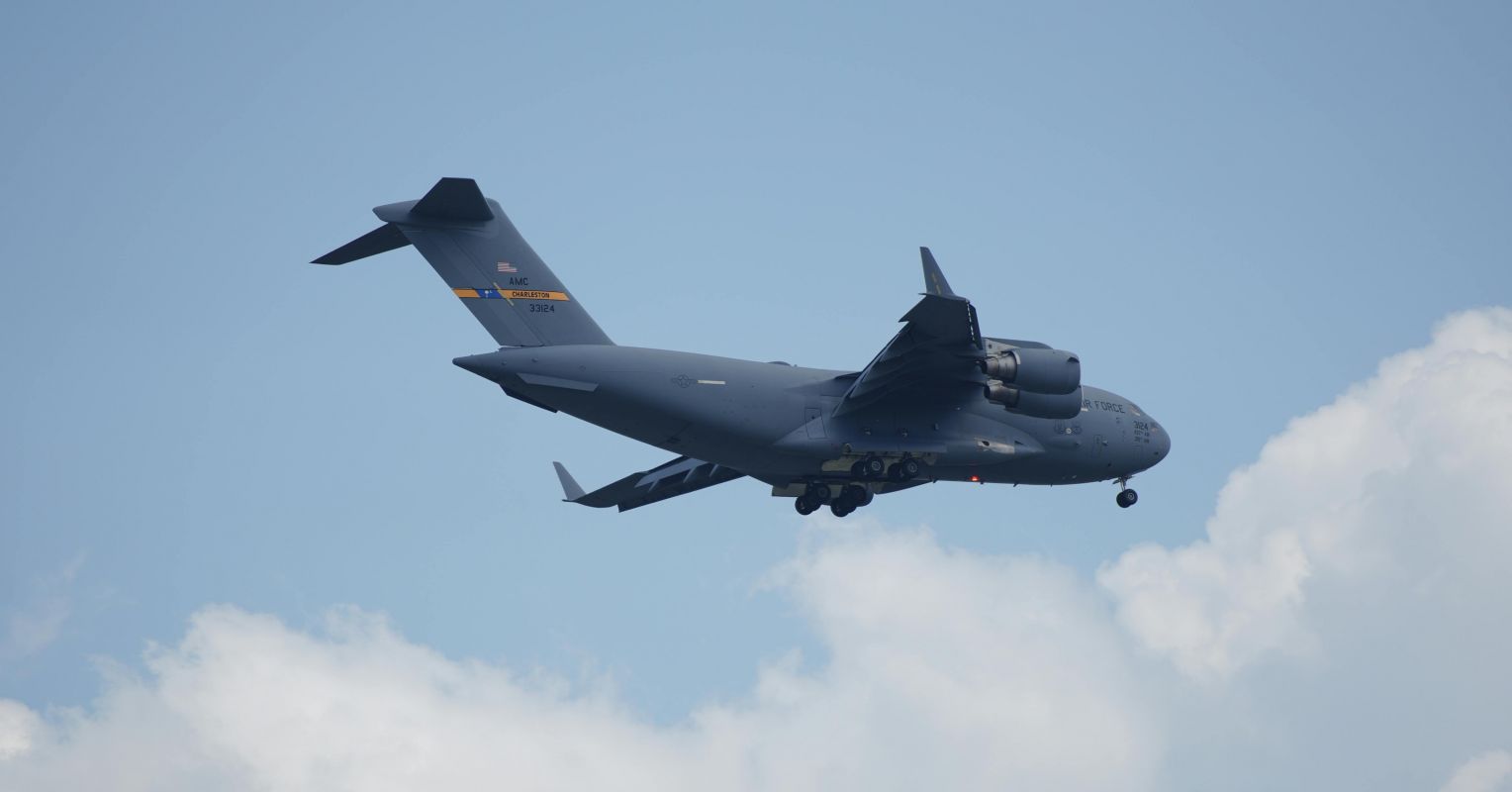
"His study finds that U.S. bombing airstrikes in Afghanistan are strongly associated with net increases in the mean number of post-strike Taliban insurgent attacks in targeted villages relative to comparison villages that were not bombed. In other words, bombing a village tended to produce an armed response subsequently from the Taliban, whereas not bombing a village didn't."
"The study found that the Taliban respond in equal measure to airstrikes that do, and do not, kill civilians. He argues that given their destructive and highly visible nature, airstrikes motivate insurgents to act to maintain reputations for resolve in the eyes of local populations, by striking back at the bombing forces."
"These increases in rebel attacks were found to be fairly long-lived, lasting at least 120 days after an air operation."
Jason Lyall's analysis of nearly 23,000 U.S. Air Force operations in Afghanistan from 2006-2011 reveals that bombing campaigns produced counterintuitive results. Using satellite imagery to identify airstrike targets, the research demonstrates that villages subjected to airstrikes experienced significantly higher rates of subsequent Taliban insurgent attacks compared to unbombed villages. Notably, the Taliban responded equally to strikes causing civilian casualties and nonlethal shows of force. These increased attack rates persisted for at least 120 days post-strike. Lyall proposes a reputational psychology theory to explain this paradox: insurgents conduct retaliatory strikes to maintain their reputation for resolve among local populations, demonstrating that highly visible military operations inadvertently motivate insurgent responses rather than suppressing them.
Read at Psychology Today
Unable to calculate read time
Collection
[
|
...
]