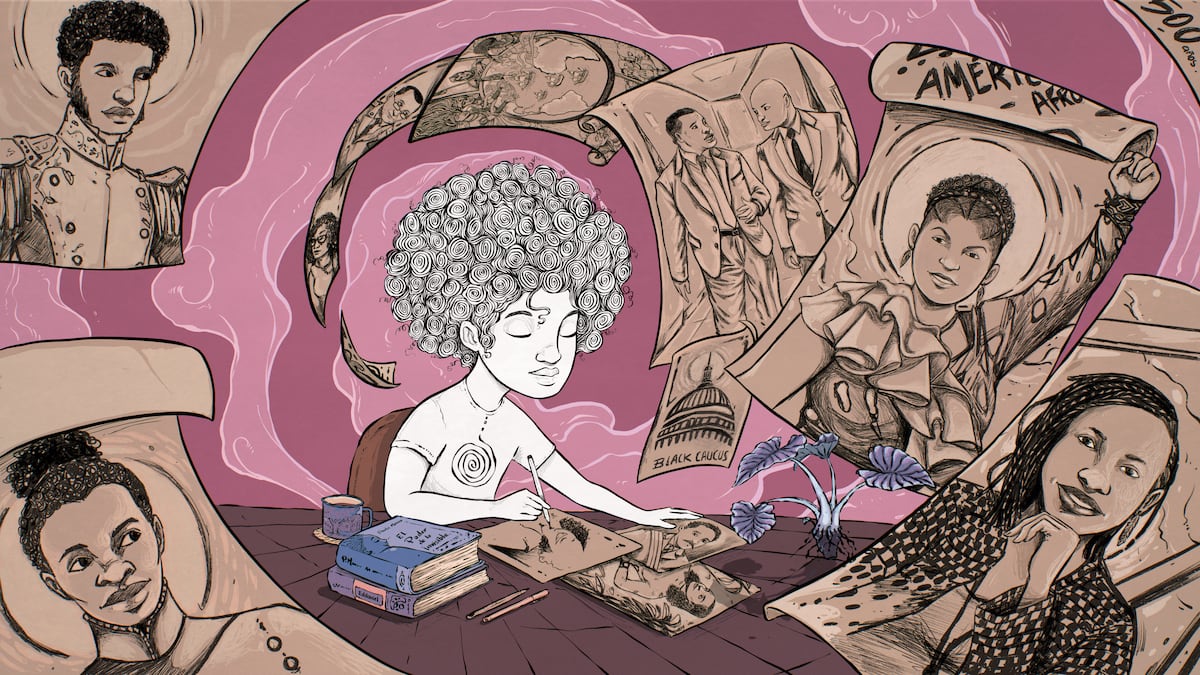
"More than three years have passed which sometimes feel like centuries since Francia Marquez was sworn in as Colombia's vice president on August 7, 2022, in Bogota's Plaza Bolivar. That day, Latin America recorded a key moment in the historical struggle for inclusion. For the first time in more than 500 years since the first ships forcibly brought millions of Africans to the Americas."
"Dressed in a blue-and-orange wax print dress made by a designer from Colombia's Pacific Coast and gold earrings featuring the silhouette of the country's map, the environmental and social leader was sworn in before God, the people and her ancestors. This was the culmination of a career spent campaigning on behalf of those who have long been excluded. Until dignity becomes the norm, she proclaimed. The audience in the plaza gave her a standing ovation."
"It was an inauguration laden with symbols, and it took on even greater historic significance considering that, just 15 years earlier, Colombia had its first person of African descent enter the senior ranks of the federal government. In 2007, at just 28-years-old, Paula Moreno was appointed as Minister of Culture. But when that young woman left the Cabinet three years later, she thought she might never again see someone like herself in a position like that."
Francia Marquez was sworn in as Colombia's vice president on August 7, 2022, in Bogota's Plaza Bolivar. The inauguration represented the first time in more than 500 years that a descendant of enslaved Africans achieved political prominence in Colombia, where more than 20% of the population is Afro-Colombian. She wore a blue-and-orange wax print dress by a Pacific Coast designer and gold earrings shaped like the country's map, and she was sworn in before God, the people and her ancestors. The event culminated a career campaigning for long-excluded communities and received a standing ovation. Ethnic communities mobilized, but a majority of votes came from across the country, indicating broader youth-driven openness and changing consciousness.
Read at english.elpais.com
Unable to calculate read time
Collection
[
|
...
]