Xi and Putin issued a joint statement criticizing U.S. foreign policy as irresponsible, including a reference to Trump’s planned “Golden Dome” missile defense program. Xi described China-Russia relations as being at an “unprecedented high,” reinforcing the view that the partnership is central to China’s broader challenge to U.S. influence. Diplomatic engagement is expected to continue, with a potential Xi visit to the White House in September. The summit did not resolve whether shared interest in stability can reduce the risk of confrontation, especially over Taiwan. Xi aimed to signal that China is a peer competitor rather than a junior power, emphasizing equitable global order management and “strategic stability.”
"Following their summit, Xi and Putin issued a joint statement criticizing what they called "irresponsible" U.S. foreign policy, including a direct reference to Trump's planned "Golden Dome" missile defense program. Xi also described China-Russia relations as being at an "unprecedented high," reinforcing the message that Beijing sees its partnership with Moscow as central to its broader challenge to U.S. influence."
"For Trump and Xi, the diplomatic track is expected to continue, with a potential Xi visit to the White House in September. But the Beijing summit left unresolved the larger question at the center of U.S.-China relations: whether a shared interest in stability can meaningfully reduce the risk of confrontation, particularly over Taiwan."
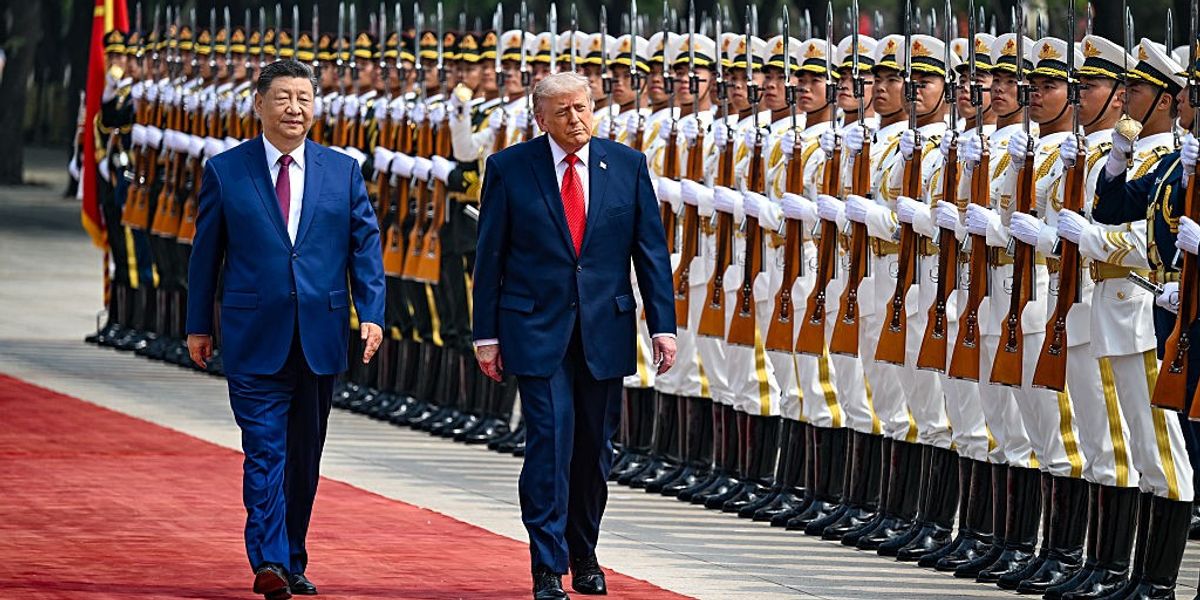
"The larger message Xi appeared intent on sending throughout Trump's visit was that China is no longer a junior power-seeking accommodation from Washington, but a peer competitor that expects to be treated as an equal leader of global order. Chinese state media framed the summit as a diplomatic win for Beijing, emphasizing that the relationship now operates "on a more equitable basis" and portraying Xi as an equal - if not a more disciplined and strategic - counterpart to Trump."
"Xi did not appear compelled to offer major concessions and instead used the moment to reinforce China's position that the world's two superpowers have a shared responsibility to manage competition and preserve stability. That message drew heavily on the logic of the "Thucydides Trap" - the idea that conflict between a rising power and an established power is not inevitable but becomes more likely if rivalry is mismanaged. Xi's public emphasis on competition, cooperation and "strategic stability" was designed to present Beijing as both confident and restraine"
Read at The Cipher Brief
Unable to calculate read time
Collection
[
|
...
]