"You see wars and you think they're about types of Islam, or whether or not the US has access to oil. But underneath all of that there's this longer running thing that is becoming more and more important. It's like rising damp in your house—you don't know it's there, but it's changing everything."
"What makes these power shifts unusually disruptive is the sheer pace of them. Normally, we can say: In so many million years, the map of the world will change. Well, it will change in the lifetime of normal people living a normal lifespan. What that does is intensify the geopolitical aspects."
"A heating planet must be dislodging more than rocks. If physical geography drives the way states exercise their power, as classic geopolitical theory argues, then climate change is fundamentally reshaping international relations and creating new vulnerabilities for superpowers while making smaller countries' natural resources unexpectedly valuable."
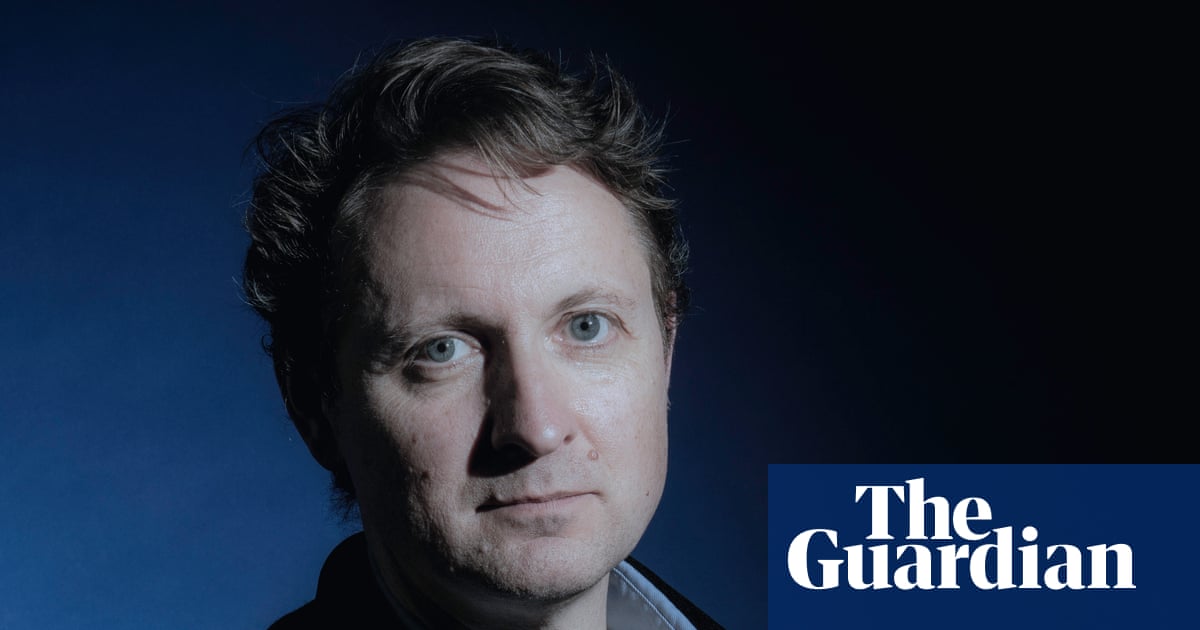
Arthur Snell, a former UK Foreign Office diplomat with experience in conflict zones, connects climate change to geopolitical instability through his book Elemental. A near-fatal accident in the Swiss Alps prompted his realization that environmental degradation directly influences state power dynamics. Climate crisis threatens planetary sustainability while triggering conflicts across drought-affected regions and the Arctic, alongside rising far-right populism. The critical distinction lies in the unprecedented pace of these changes—occurring within single lifespans rather than geological timescales—intensifying geopolitical competition. Natural resources, particularly minerals for renewable energy and habitable land, become unexpectedly valuable, reshaping power relationships between superpowers and smaller nations, exemplified by Greenland's complex position.
#climate-change-and-geopolitics #environmental-conflict #resource-competition #global-power-dynamics #climate-crisis
Read at www.theguardian.com
Unable to calculate read time
Collection
[
|
...
]