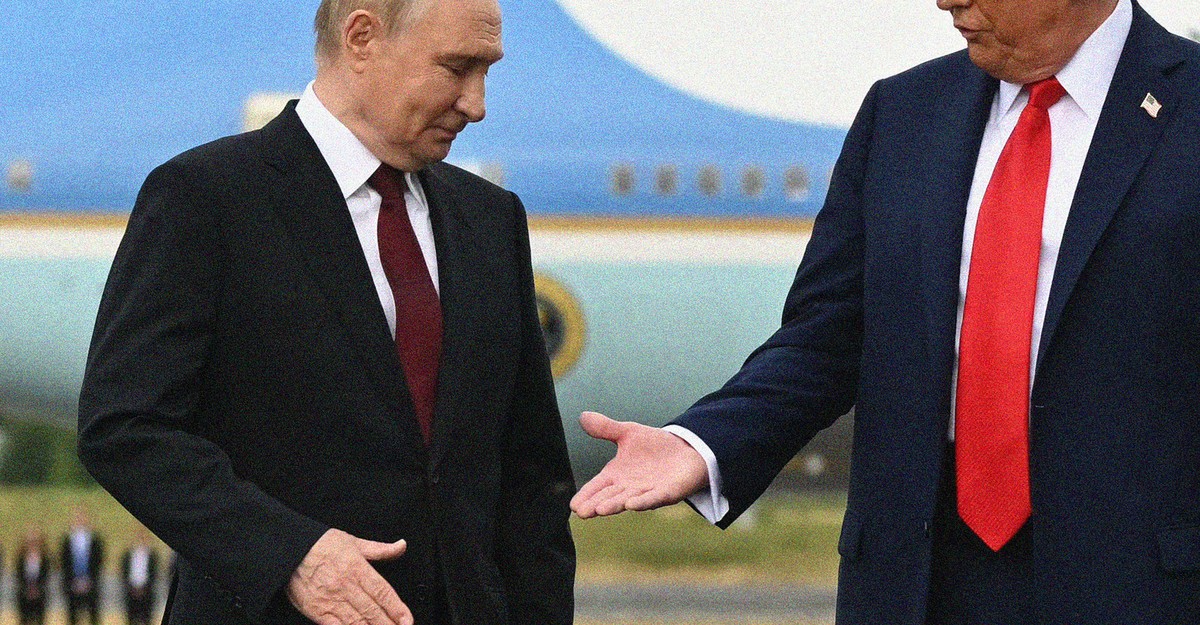
"One reason may be that Trump and Putin are fundamentally incompatible personalities. Trump sees everything as a deal, and for Putin, any deal is a revelation of weakness. Trump is a creature of the Manhattan-real-estate world; Putin grew up amid the rubble of postwar Leningrad. Those Soviet courtyards formed him. In them, he internalized the rules of ponyatiya -an unwritten code, roughly translated as "the concepts," or "the understandings," that originated in Stalin's Gulags and still governs much of life in Russia,"
"He's kept the same circle of friends since the 1980s-a good number of them are now billionaires-and no matter how badly they handle a situation, they are hardly ever punished. They're in their 70s now, but they still play hockey together in what they call the "Night Hockey League," or the NHL (they had custom jerseys made). Ponyatiya also meant never letting an insult go unanswered. Consider the defectors-not to mention the oligarchs, journalists, and dissidents who have displeased Putin-who have ended up dead."
Donald Trump has employed contradictory tactics to secure peace in Ukraine, but Putin rejects parts of the U.S. plan and threatens to seize Ukrainian territory by force. Trump treats negotiations as deals; Putin views deals as weakness. Putin's upbringing in postwar Leningrad taught him ponyatiya — an informal code valuing loyalty, hierarchy, and retaliation. He maintains an insular circle of longtime allies, shields them from punishment, and reacts harshly to perceived insults or betrayals. That code shapes Russia's foreign policy, emphasizing strength, absolute hierarchy, and obedience from weaker actors, complicating overtures framed as bargains.
Read at The Atlantic
Unable to calculate read time
Collection
[
|
...
]