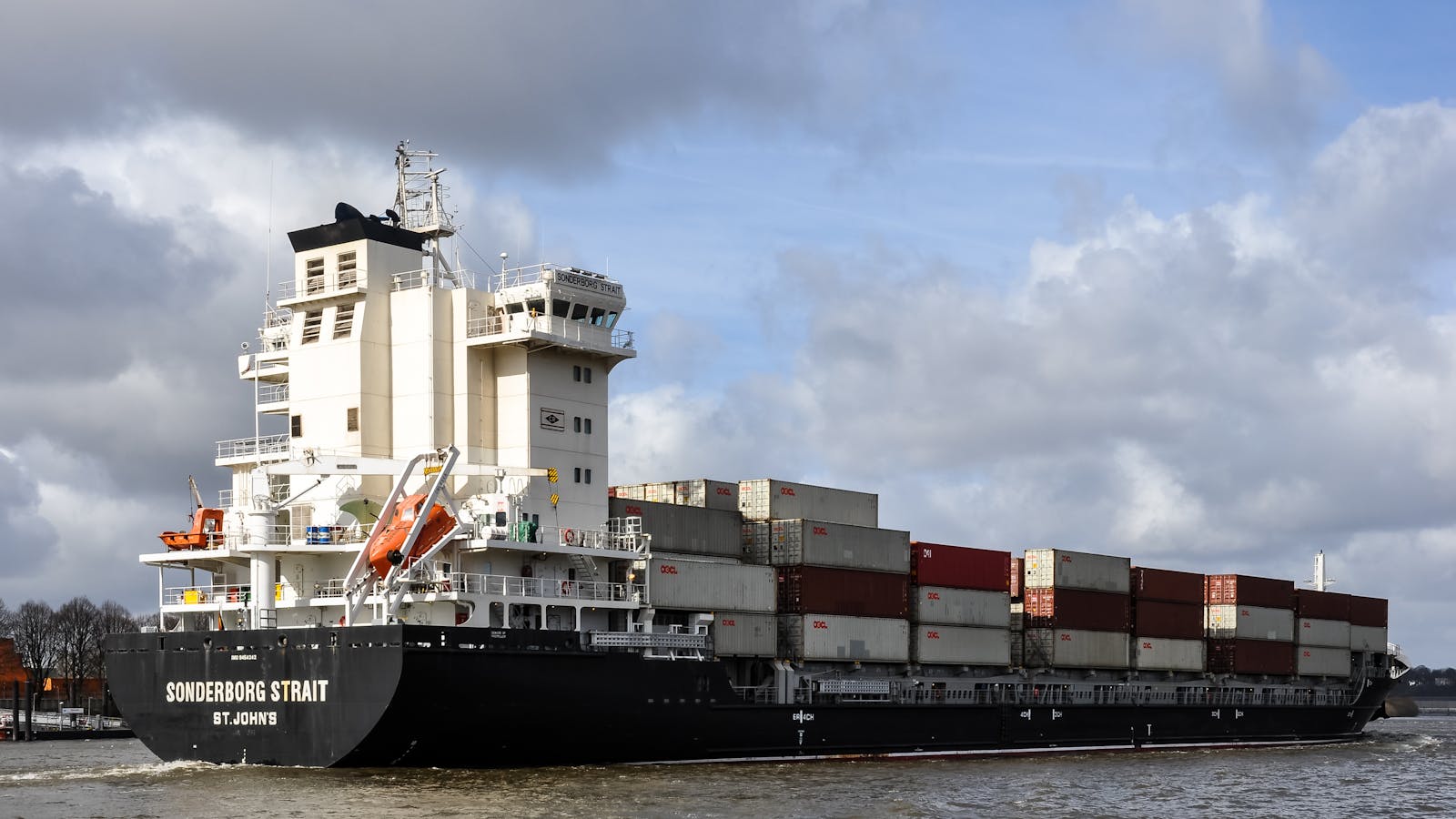
"Substantial volumes of the world's seaborne fertiliser trade pass through the Strait of Hormuz. For African nations dependent on Gulf imports to sustain agricultural output, the conflict has created a supply chain bottleneck with no easy workaround. The result is rising input costs that flow directly into food prices on a continent where populations already allocate a disproportionate share of income to basic nutrition."
"According to UNCTAD data, significant shares of fertiliser arrive by sea from the Gulf through the Strait of Hormuz for countries including Sudan, Somalia, and Kenya. These are not marginal dependencies. They represent the foundational chemistry of food production in countries where subsistence agriculture employs the majority of the working population."
"When fertiliser becomes more expensive or harder to source, the effects cascade predictably. Farmers reduce application rates. Yields drop. Food prices climb. The people absorbing these price increases are overwhelmingly in informal employment with volatile earnings, meaning they have no margin to absorb cost shocks."
The Iran conflict centered on the Strait of Hormuz creates severe consequences for East African nations far removed from geopolitical negotiations. A UN Conference on Trade and Development report reveals that substantial seaborne fertilizer volumes pass through this strait, creating critical supply chain vulnerabilities for countries like Sudan, Somalia, and Kenya. These nations depend heavily on Gulf fertilizer imports for agricultural output. Rising fertilizer costs directly increase food prices across the continent, where populations already spend disproportionate income on basic nutrition. Farmers respond to higher input costs by reducing fertilizer application, causing yield drops and further food price increases. Populations in informal employment lack financial margins to absorb these cost shocks, creating cascading humanitarian consequences.
#geopolitical-supply-chain-disruption #fertilizer-trade-and-food-security #east-africa-economic-impact #strait-of-hormuz-conflict #agricultural-input-costs
Read at Silicon Canals
Unable to calculate read time
Collection
[
|
...
]