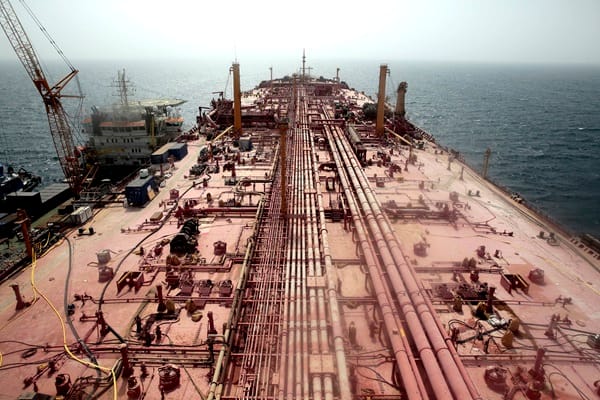
"Disruptions to regional energy infrastructure and shipping routes have reinforced fears that available crude supply could remain tight, particularly with the Strait of Hormuz still largely constrained, limiting the flow of exports from key producing nations."
"Production levels in some oil-exporting countries declined amid storage constraints and export difficulties. However, flows through pipeline infrastructure in certain countries helped prevent a more severe shock to the market."
"Volatility is likely to remain elevated in the near term, as oil markets react quickly to geopolitical headlines. However, the agreement by G7 countries to release crude from strategic reserves could provide some relief, although prolonged disruptions could limit the impact on prices."
Oil prices rise as geopolitical tensions in the Middle East escalate, threatening energy supply stability. Regional infrastructure disruptions and constrained shipping routes, particularly the Strait of Hormuz, limit crude exports from major producers. Production declines in some oil-exporting nations result from storage constraints and export difficulties, though pipeline infrastructure in certain countries mitigates severe market shocks. Vessel attacks and shipment disruptions continue pushing prices upward. Market volatility remains elevated as oil markets respond rapidly to geopolitical developments. G7 countries' agreement to release strategic crude reserves may provide temporary relief, though prolonged disruptions could limit effectiveness.
Read at London Business News | Londonlovesbusiness.com
Unable to calculate read time
Collection
[
|
...
]