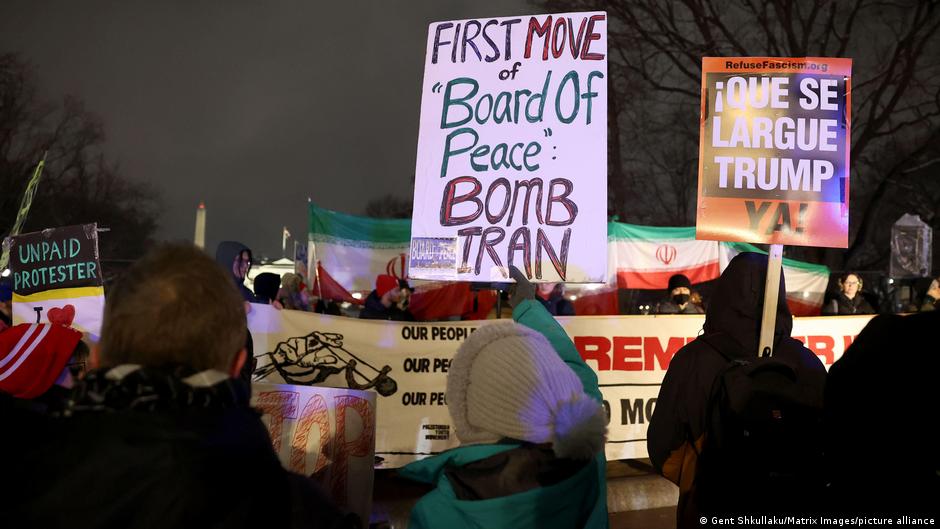
"Article 2(4) of the UN Charter has been described as a "cornerstone of modern international law" and its bright red line. It prohibits countries from threatening or using force against another state's territory or political independence. Drafted in the aftermath of World War II, its objective was to maintain peace and make negotiation not armed conflict the default mode to settle disputes."
"Critics counter that these grounds did not fall within the UN Charter's exceptions, noting that only specific UN organs above all the Security Council can authoritively determine when force is lawful."
"In January 2026, UN special rapporteurs condemned the US intervention in Venezuela, in which US troops captured Venezuelan president Nicolas Maduro, as a "grave" and "deliberate" breach of Article 2(4. It also prompted United Nations Secretary General, Antonio Guterres, to warn that around the world "the rule of law is being replaced by the law of the jungle.""
Article 2(4) of the UN Charter, drafted after World War II, establishes a fundamental prohibition against states threatening or using force against another nation's territory or political independence. This provision aims to make negotiation the default method for resolving disputes rather than armed conflict. The article has become central to international law and is frequently invoked during major geopolitical crises, including situations in Ukraine and the Middle East. However, interpretations vary significantly among different actors. Recent controversies highlight tensions in its application, such as US and Israeli pre-emptive strikes against Iran and US intervention in Venezuela, with critics arguing these actions violate Article 2(4) since only specific UN organs, particularly the Security Council, can authorize lawful use of force.
Read at www.dw.com
Unable to calculate read time
Collection
[
|
...
]