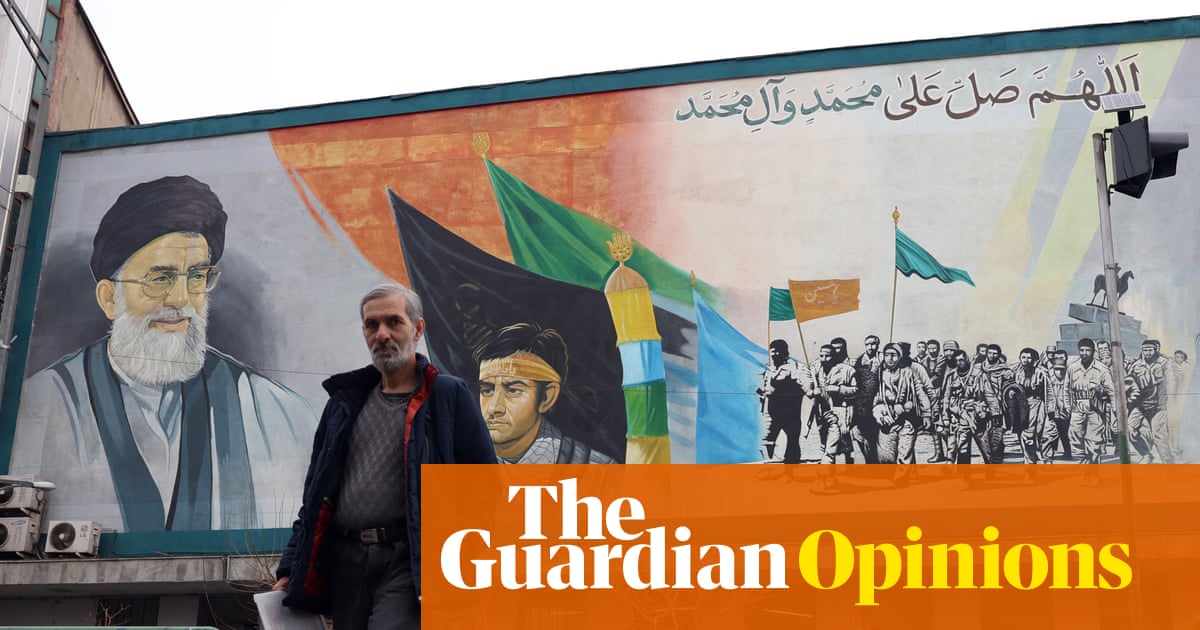
"Ever since the 2009 post-election uprising, sporadic outbursts of public anger have become somewhat the order of the day, mostly silenced brutally for a while only to fester and uncork again on another occasion. The street protest is not the sole medium through which opposition has tried to convey its dissent. Iranians have tried everything be it the very narrow and funnelled channel of elections between the limited choices offered by the state."
"For many, the man who is talked about as the main opponent to the Islamic republic, the heir to Iran's former monarchical tyrant, Reza Pahlavi, is not our cup of tea. The sheer idea of returning to dictatorship and one-man power, secular though he might well be, makes one's hair stand, let alone returning to him, widely seen as an Israeli stooge, surrounded by anti-democratic forces, patriarchal to his core, inexperienced and distanced from Iranian society by his expat status."
Widespread civil unrest in Iran occurs alongside internet blackouts and recurring brutal suppression since 2009. Protesters use elections, social media, universities, and public events to express dissent and demand meaningful change. Democratic demands have been largely ignored since the 2000s, allowing grievances to fester. US actions, including reimposed sanctions and withdrawal from the JCPOA, undermined domestic reform efforts. Many Iranians feel limited agency and lack representation both inside Iran and among opposition groups. Prominent opposition figures such as Reza Pahlavi are widely distrusted due to perceived authoritarian ties, alleged external alignments, patriarchal attitudes, inexperience, and expatriate distance.
Read at www.theguardian.com
Unable to calculate read time
Collection
[
|
...
]