""The problem is that oil is a global commodity. We may have plenty of oil-there's no shortage of U.S. oil-but energy independence is somewhat of a fallacy. We still have to pay the going world price. It's a global price.""
""The U.S. may be much more 'energy secure' than the Arab oil embargoes of the 1970s, but it isn't independent. And the U.S. still imports a little more oil-largely from Canada, Mexico, and Venezuela-than it ships out.""
""The U.S. doesn't have nearly enough surplus oil to fill the Middle Eastern void, and U.S. oil drilling and production has only ticked up slightly since the war began.""
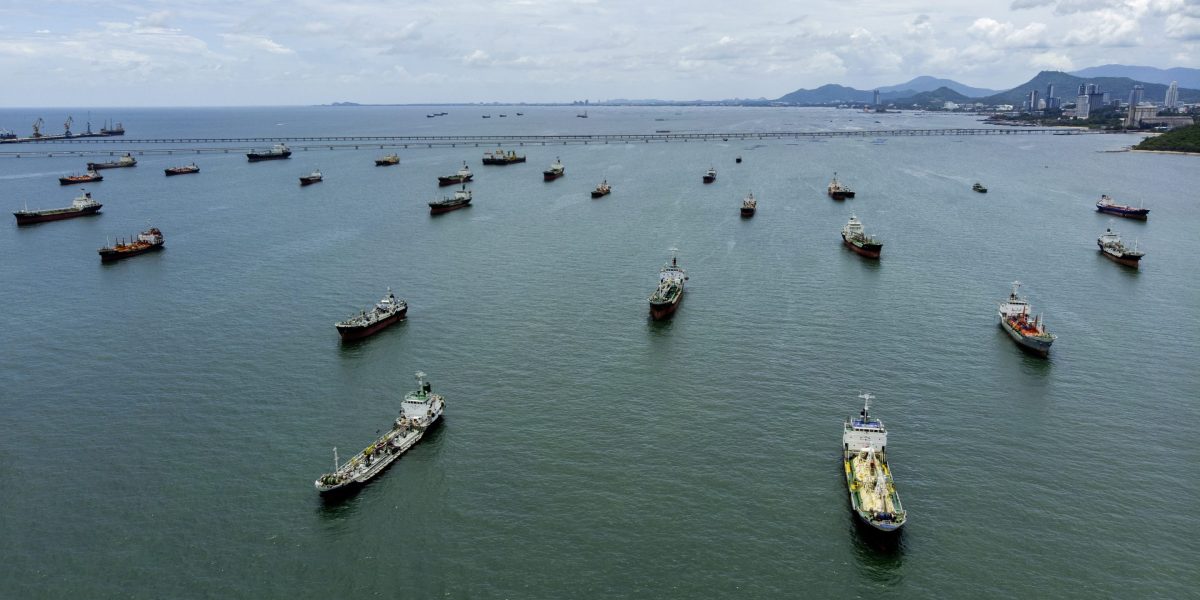
Marine traffic from the Middle East has sharply declined following U.S. blockades on Iran's ports. This situation arises amid energy shortages in Asia and potential spillover effects in Europe. Despite the U.S. boasting high crude oil and natural gas production, gasoline and diesel prices have surged. The U.S. remains reliant on global oil prices, undermining claims of energy independence. Analysts indicate that the U.S. lacks sufficient surplus oil to compensate for Middle Eastern supply disruptions, and discussions of oil hoarding are emerging.
Read at Fortune
Unable to calculate read time
Collection
[
|
...
]