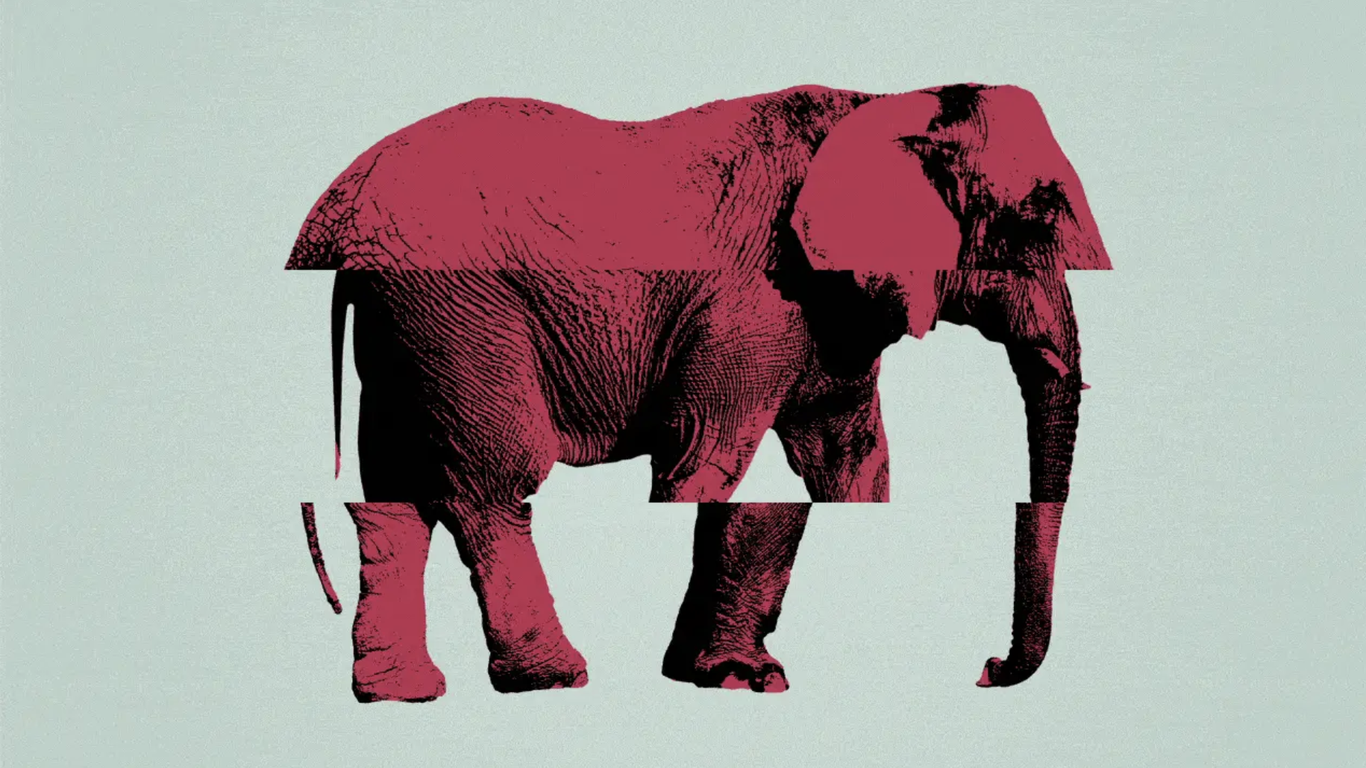
Global imbalances have appeared in multiple eras, including U.S.-Japan tensions in the 1980s, the buildup to the 2008 financial crisis, and the current U.S. standoff with surplus economies such as China. Policymakers often behave like blind men describing an elephant, emphasizing different symptoms while missing the overall system. Common explanations include unfair trade practices, industrial policy, fiscal deficits, and the dollar’s global dominance. A global imbalance occurs when some countries consistently save and export more than they consume, while others spend and import more than they produce, with the resulting gap extending beyond trade deficits. Legal scrutiny of tariffs under Section 122 of the Trade Act of 1974 centers on what constitutes a balance-of-payments deficit in today’s economy.
"Gopinath pointed to three major eras of global imbalances: the U.S.-Japan tensions of the 1980s, which culminated in the Plaza Accord; the buildup to the 2008 financial crisis; and today's standoff between the U.S. and surplus economies like China. "How will this one end compared to the previous two?" Gopinath asked."
"Policymakers are acting like the "blind men and the elephant" parable, she said. Just as each man in that story feels a part of the animal and has only a partial understanding of the whole, global economic leaders emphasize different symptoms of distortion while missing the larger system. Some point to unfair trade practices, industrial policy, fiscal deficits or the dollar's global dominance."
""Everybody has their favorite view on what is responsible for the imbalance," Gopinath said. "Part of the challenge, frankly ... is trying to get everybody to say, 'Maybe can we all agree on what we're actually trying to fix over here - what is the problem that's generating global imbalances?'""
"A global imbalance is what happens when some countries consistently save and export more than they consume, while others - especially the U.S. - spend and import more than they produce. But that gap doesn't just show up in trade deficits. The excess savings from surplus countries often gets recyc"
Read at Axios
Unable to calculate read time
Collection
[
|
...
]