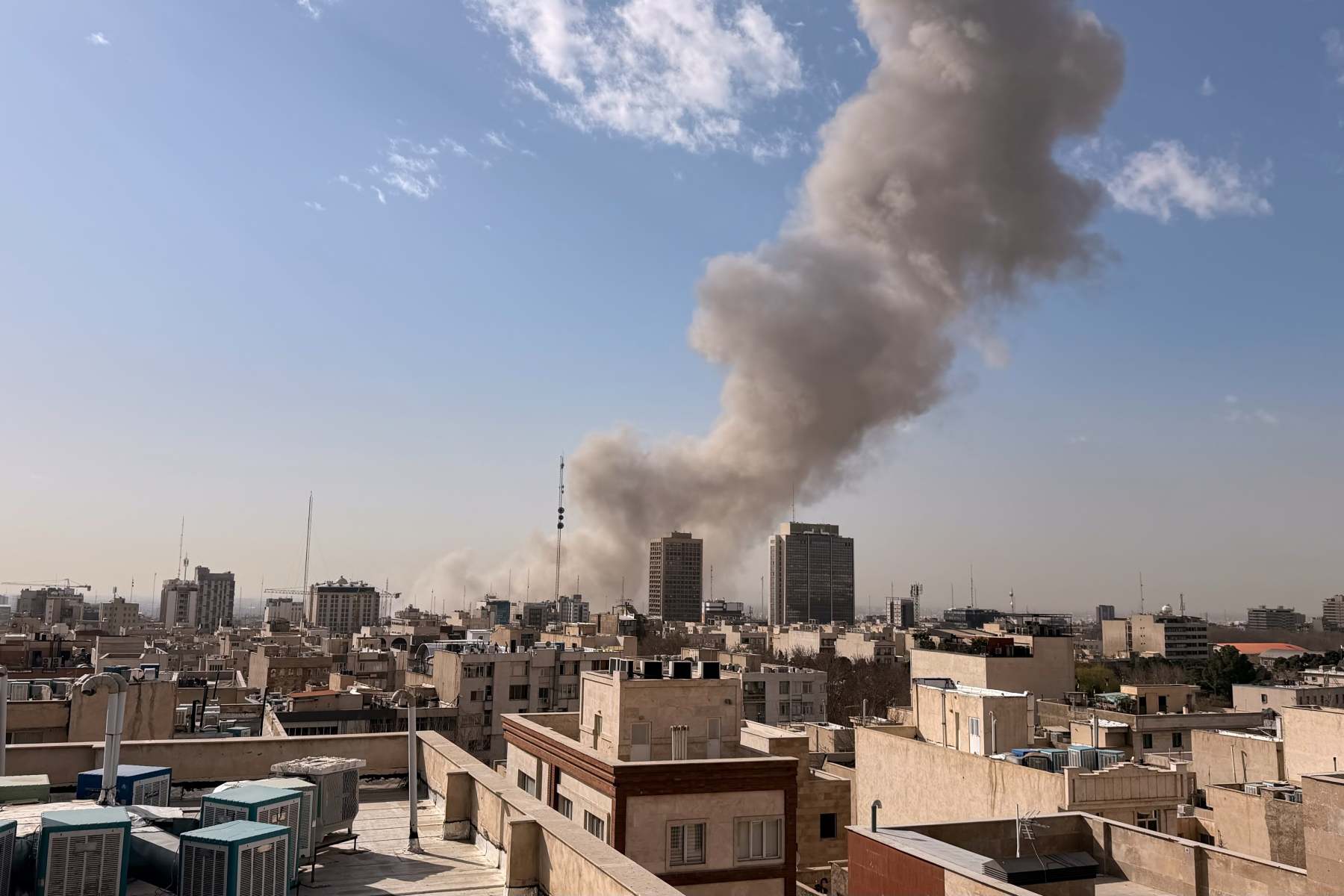
"Iran was never designed to win a conventional war against a superpower. Its doctrine is asymmetrical. Ballistic missiles reaching 2,000 kilometres make for dramatic headlines, but Tehran's real leverage lies in calibrated disruption: cyber operations, maritime insecurity in the Gulf, proxy ambiguity, and energy market shockwaves."
"There is a growing risk of horizontal escalation-drawing in regional actors not because they seek war but because they are within range. Gulf states, already uneasy, have been forced into a strategic dilemma. European allies providing defensive support may find themselves redefined as co-belligerents."
"What concerns me most is not immediate regime collapse in Iran, nor a sudden regional war, but a grinding destabilization: energy volatility, cyber disruption, miscalculation among overstretched militaries, and a public debate fixated on spectacle rather than systemic risk."
The current Iran crisis risks being misunderstood through conventional military framing. Iran's actual strategic leverage derives from asymmetrical capabilities including cyber operations, maritime disruption, proxy networks, and energy market manipulation rather than direct superpower confrontation. Horizontal escalation poses significant danger as regional actors become drawn into conflict through proximity and strategic dilemma, not deliberate choice. Gulf states face difficult positioning, while European allies risk reclassification as co-belligerents. The primary concern is grinding destabilization characterized by energy volatility, cyber disruption, military miscalculation, and public focus on visible spectacle rather than systemic risks. The critical question concerns how rapidly instability spreads across interconnected systems rather than missile ranges.
#asymmetrical-warfare #regional-escalation #structural-destabilization #iran-us-conflict #systemic-risk
Read at The Walrus
Unable to calculate read time
Collection
[
|
...
]