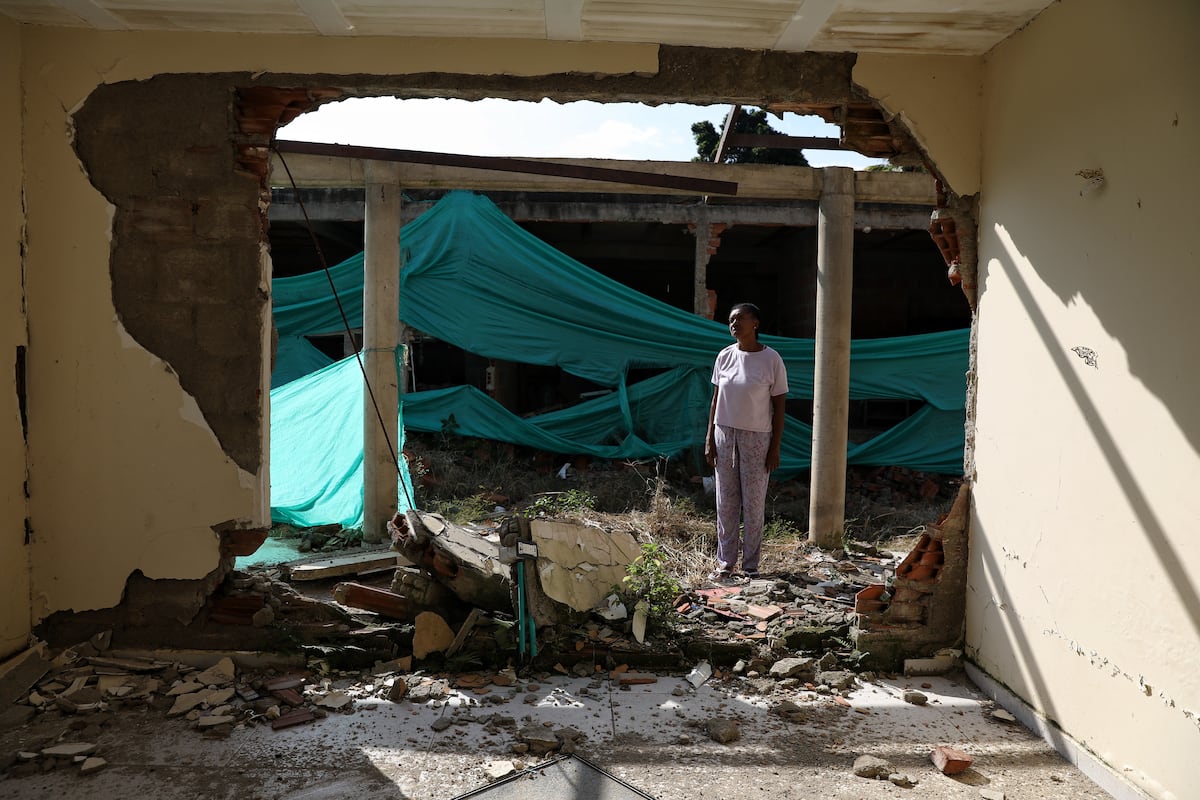
Renewed violence marks Colombia’s presidential campaign to choose Gustavo Petro’s successor, with first-round voting taking place under crossfire in many places. Nearly 10 years after the peace accord with the former FARC, other armed actors continue threatening communities, keeping the conflict burning in a more fragmented phase. The International Committee of the Red Cross warns that humanitarian consequences have reached the most serious level of the last decade. Public security has deteriorated, including the killing of social leaders. Civilians face homicides, disappearances, threats, and forced recruitment in regions including Catatumbo, Arauca, Cauca, Nariño, Putumayo, and Guaviare. Armed groups have also poisoned the presidential elections, while candidates report death threats and campaign with heavy security measures.
"Renewed violence a kind that has never been fully extinguished in Colombia marks the presidential campaign to choose Gustavo Petro's successor. In many places, the first-round vote this Sunday will take place under crossfire. Nearly 10 years after the signing of the historic peace accord with the now-defunct FARC guerrilla organization, other armed actors threaten communities and the war still burns, albeit in a more fragmented phase."
"The humanitarian consequences of the armed conflict have reached the most serious level of the last decade, the International Committee of the Red Cross (ICRC) warned this month. Amid that crisis, public security has become one of the main concerns. That deterioration includes the killing of all kinds of social leaders. Anxiety is rising among the civilian population, which is suffering homicides, disappearances, threats, and forced recruitment in places such as Catatumbo and Arauca on the turbulent border with Venezuela; Cauca, along the Pacific corridor; Narino and Putumayo, departments bordering Ecuador; and the forested department of Guaviare in the country's south."
"Armed groups have also poisoned the presidential elections. Left-wing Senator Ivan Cepeda, Petro's party colleague and the frontrunner in all polls, takes the stage flanked by bodyguards carrying heavy ballistic shields that never leave his side. His rival, far-right candidate Abelardo de la Espriella, who is fighting to reach the second round alongside Paloma Valencia, the candidate of the more traditional right, often speaks from behind bulletproof glass. All three have reported death threats."
Read at english.elpais.com
Unable to calculate read time
Collection
[
|
...
]