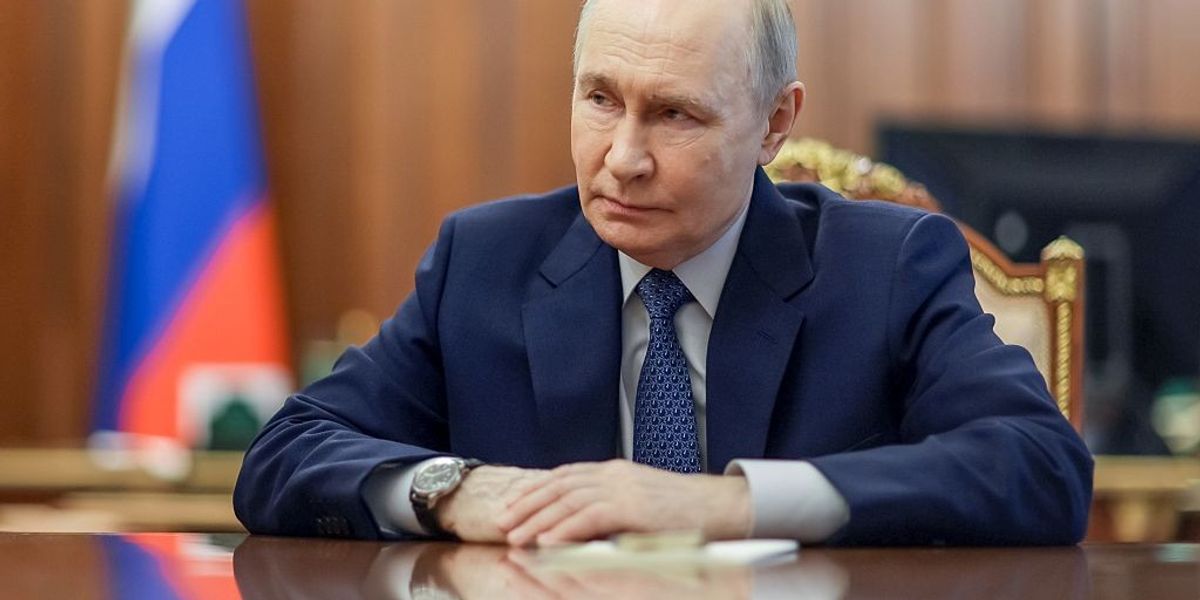
"Speculation about Putin's health and who might succeed him has circulated for years, in a manner reminiscent of the late Soviet period, when the infirmities of aging leaders were whispered but never openly acknowledged. If and when the war in Ukraine ends, such speculation will almost certainly intensify."
"Rumors have periodically surfaced that Putin, who turns 74 in 2026, has Parkinson's disease, or that multiple "doubles" are deployed for public appearances. Theories abound that he has these doubles because, behind closed doors, he is gravely ill. Yet for more than a decade, most of these claims have proven unfounded."
"For Russians, all the speculation on the health of the state's leader is a familiar theme from Soviet times. This was especially true in the 1980s, when a series of General Secretaries of the USSR passed away within a few years of one another."
Speculation about Putin's health and potential succession has persisted for years, mirroring Soviet-era practices of concealing leaders' infirmities. Putin, now in his early seventies, has countered health rumors through public displays of vigor including judo, ice hockey, and horseback riding. The war in Ukraine remains central to Putin's legacy ambitions, as he seeks recognition comparable to historical Russian rulers. Succession uncertainty reflects a broader Russian and Soviet tradition of opaque power transitions. As the Ukraine conflict potentially concludes, succession speculation will likely intensify, echoing the 1980s Soviet period when multiple General Secretaries died in rapid succession, leaving citizens uncertain about leadership changes.
Read at The Cipher Brief
Unable to calculate read time
Collection
[
|
...
]