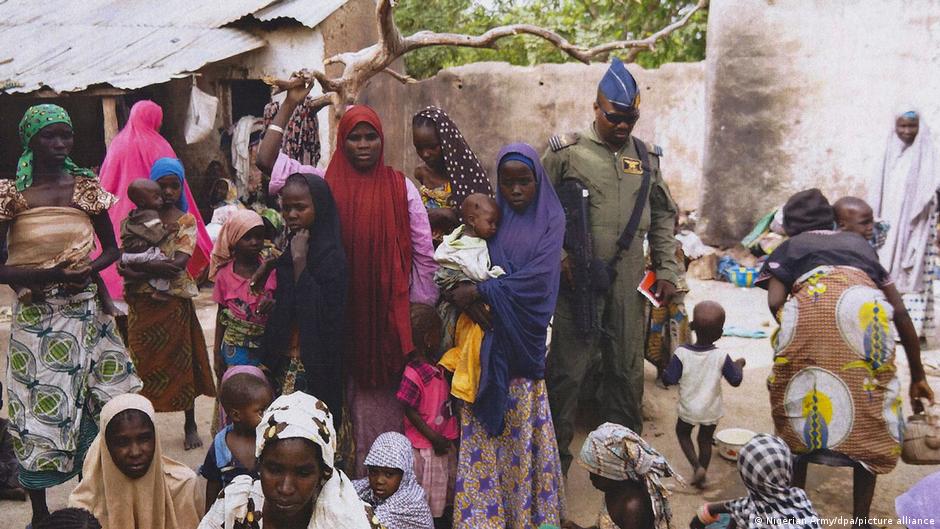
"Boko Haram is known for spreading its campaign of terror from strongholds in northeastern Nigeria's Sambisa forest. But the forest only became its fortress after the Nigerian military chased Boko Haram out of populated areas like state capital Maiduguri. Once home to a game reserve renowned for its wildlife, Sambisa became the Boko Haram's operational heart for several years. The forest covers about 60,000 square kilometres, and stretches across multiple northeastern states, including Borno, Yobe, Gombe, and Bauchi."
"From protected land to ungoverned space Nigeria's forest reserves were never designed with terrorism in mind. While laws exist to protect forests from resource extraction, the government has limited capacity to patrol and limit illicit activities, according to analyst Ladd Serwat. "Police and military don't tend to patrol within the forests, and instead rely on roadblocks outside of these protected spaces to intercept things like logging trucks and engage in extortion," says Serwat of the Armed Conflict Location and Event Data (ACLED) organization."
Sambisa forest became Boko Haram’s heart after the Nigerian military chased the group out of populated areas like Maiduguri. The forest covers about 60,000 square kilometres and spans Borno, Yobe, Gombe and Bauchi near Chad and Cameroon, from which Boko Haram launched attacks. Other reserves such as Kainji, Kwiambana, Kamuku and Alawa have become havens for terror and bandit groups. Laws exist to protect forests from resource extraction, but government capacity to patrol and prevent illicit activity is limited. Police and military rely on roadblocks outside forests rather than patrolling inside. Weak governance, corruption and underfunding leave forests unmapped, unmonitored and unprotected, enabling armed groups to shelter, hunt and cultivate food.
Read at www.dw.com
Unable to calculate read time
Collection
[
|
...
]