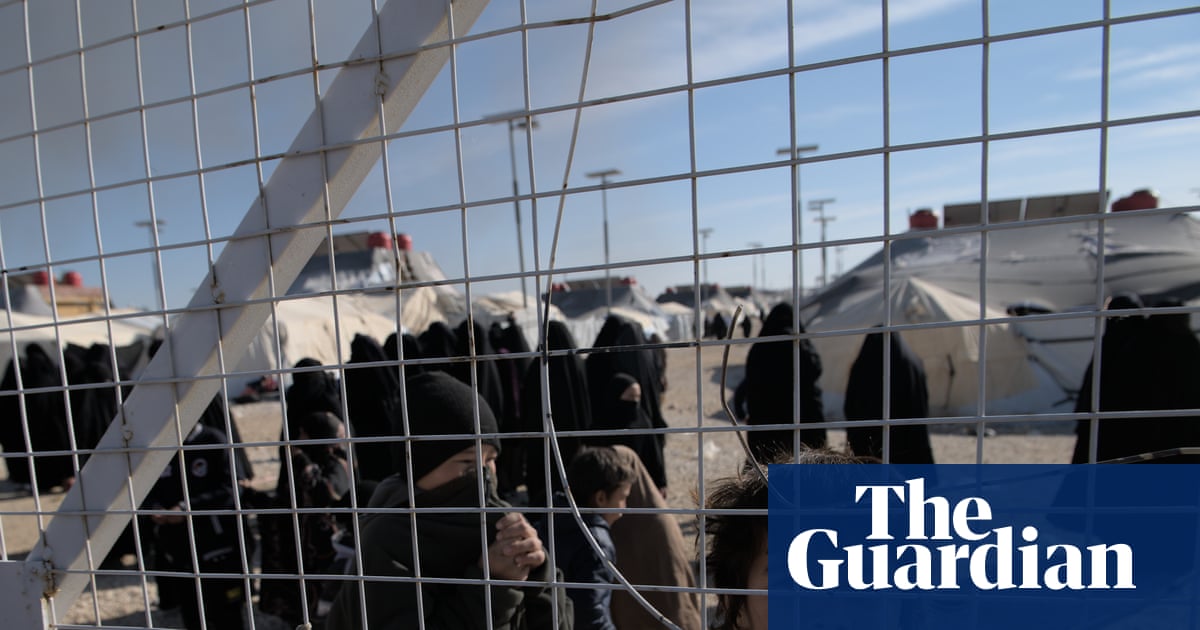
"Humanitarians warned for years that the camps in north-east Syria holding tens of thousands of family members of suspected Islamic State (IS) fighters would have to be dealt with. Calling them a ticking time bomb, relief groups said the women and children could not just be left to rot in squalid desert camps indefinitely, because eventually they would come home."
"Most of them were residents of al-Hawl camp, once the world's largest prison camp, which housed about 25,000 family members of suspected IS fighters, 6,000 of whom were foreigners. Security analysts have said the camp became a hotbed for extremist ideology, and that by keeping IS-affiliated women and children in such close quarters, a new generation of IS members was being raised."
Tens of thousands of women and children, many relatives of suspected Islamic State fighters, were confined in north-east Syrian camps, notably al-Hawl, since 2019. At least 8,000 foreigners from over 40 countries remained stranded. Camps suffered life-threatening conditions, including deaths from asphyxiation when residents burned coal to survive winter cold. Concentrated IS-affiliated populations fostered extremist ideology and risked producing a new generation of militants. Most states refused repatriation, leaving residents trapped. After Damascus retook al-Hawl from Kurdish-led forces, the camp began to empty as smugglers and fighters moved people to Idlib and some individuals returned home.
Read at www.theguardian.com
Unable to calculate read time
Collection
[
|
...
]