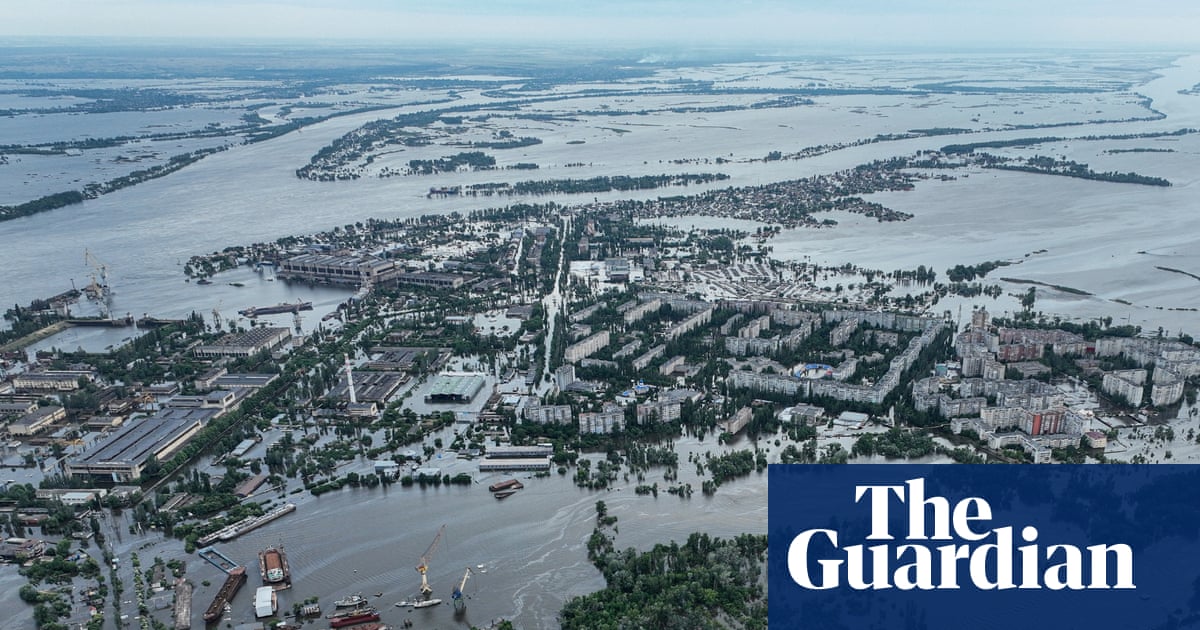
"The institute has compiled evidence of hundreds of years of water-related conflicts, including cases of water being a trigger for violence, a weapon of conflict or a casualty of conflict. We're seeing more conflicts and they are multicausal, said Dr Peter Gleick, a co-founder and senior fellow at the institute. The climate crisis and extreme weather play a part but there are lots of other factors such as state failure and incompetent or corrupt governments, and lack of or misuse of infrastructure."
"Recent examples include tensions over an Indus River water-sharing treaty between India and Pakistan after a terrorist attack, Russia targeting hydropower dams in Ukraine, Israel destroying Gaza's water systems, and protests over water supplies in South Africa. In Gaza, Israel systematically weaponised water, Trevor said. They deliberately targeted water systems and desalination plants and blocked repairs. Wastewater contaminated drinking water due to the destruction of sewage and storm water infrastructure, and people have been attacked while waiting or queueing for water."
Water-related violence incidents rose from 235 in 2022 to 419 in 2024, reflecting a sharp increase in conflicts tied to water. Compiled evidence spans centuries and shows water acting as a trigger, a weapon, or a casualty in conflict. Drivers include the climate crisis and extreme weather, state failure, corrupt or incompetent governance, and lack of or misuse of infrastructure. Population movements to access water in east Africa and the Sahel are creating new competition and tensions. Geopolitical disputes and attacks have targeted water and hydropower infrastructure, with notable incidents affecting the Indus treaty, Ukraine, Gaza, and South African water supplies.
Read at www.theguardian.com
Unable to calculate read time
Collection
[
|
...
]