"Jonathan Maldonado wears tight pants and a green t-shirt. He reports on what happens each day on the border between Venezuela and Colombia. He works as a reporter for the newspaper La Nacion, a Tachira-based paper on the Venezuelan side. The dollar has dropped, he says into the cell phone held by his father, who is also his cameraman. And a man has been arrested for gender-based violence."
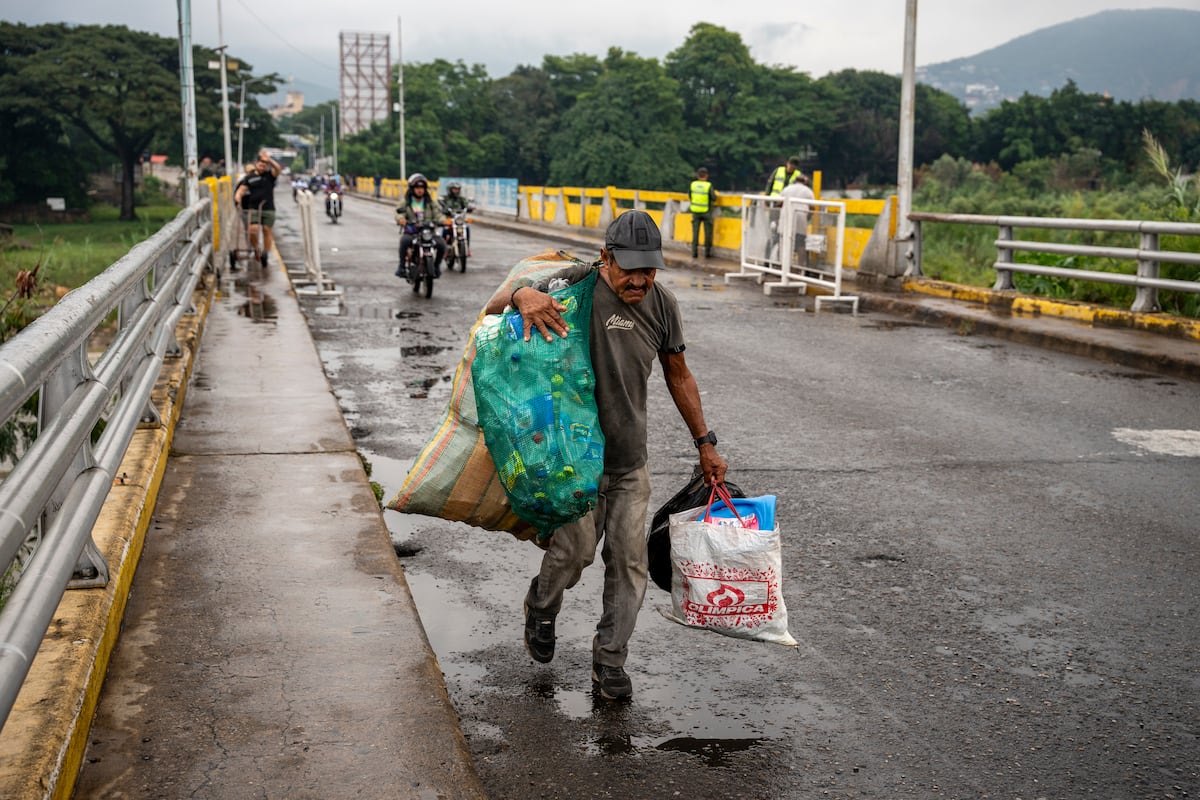
"A different atmosphere pervades the air in Cucuta. People come and go. On the bridge's banks, 30 eggs are sold for $2, haircuts are offered for $4, and an orthodontist adjusts a teenager's braces with pliers. A man, blind for 13 years due to an ulcer, sells ice cream for 20 cents while using a cane. I'm not going to see any change. Hahaha, he jokes."
"It's been almost two weeks since a U.S. elite force captured Nicolas Maduro while fighter jets bombed key locations to neutralize the Chavista army. Delcy Rodriguez has been named the acting president. The U.S. president says he is running Venezuela. Maria Corina Machado is trying to convince him to let her take over. Oil companies want to return to the country, but they want more guarantees. Political prisoners are being released."
Jonathan Maldonado reports daily from the Venezuela–Colombia border, noting local economic shifts and arrests for gender-based violence. Border crossings remained open despite expectations they would close after Maduro's removal, leaving widespread uncertainty. A U.S. elite force captured Nicolas Maduro, fighter jets bombed key locations, and Delcy Rodriguez was named acting president. The U.S. president has asserted control over Venezuela while political actors jockey for power and oil companies seek guarantees to return. Political prisoners are being released. On the Simon Bolivar Bridge and in Cucuta, everyday commerce continues—egg and haircut vendors, informal services, and people adapting to reduced Colombian military presence.
#venezuela-colombia-border #political-upheaval #local-economy #us-involvement #humanitarian-conditions
Read at english.elpais.com
Unable to calculate read time
Collection
[
|
...
]