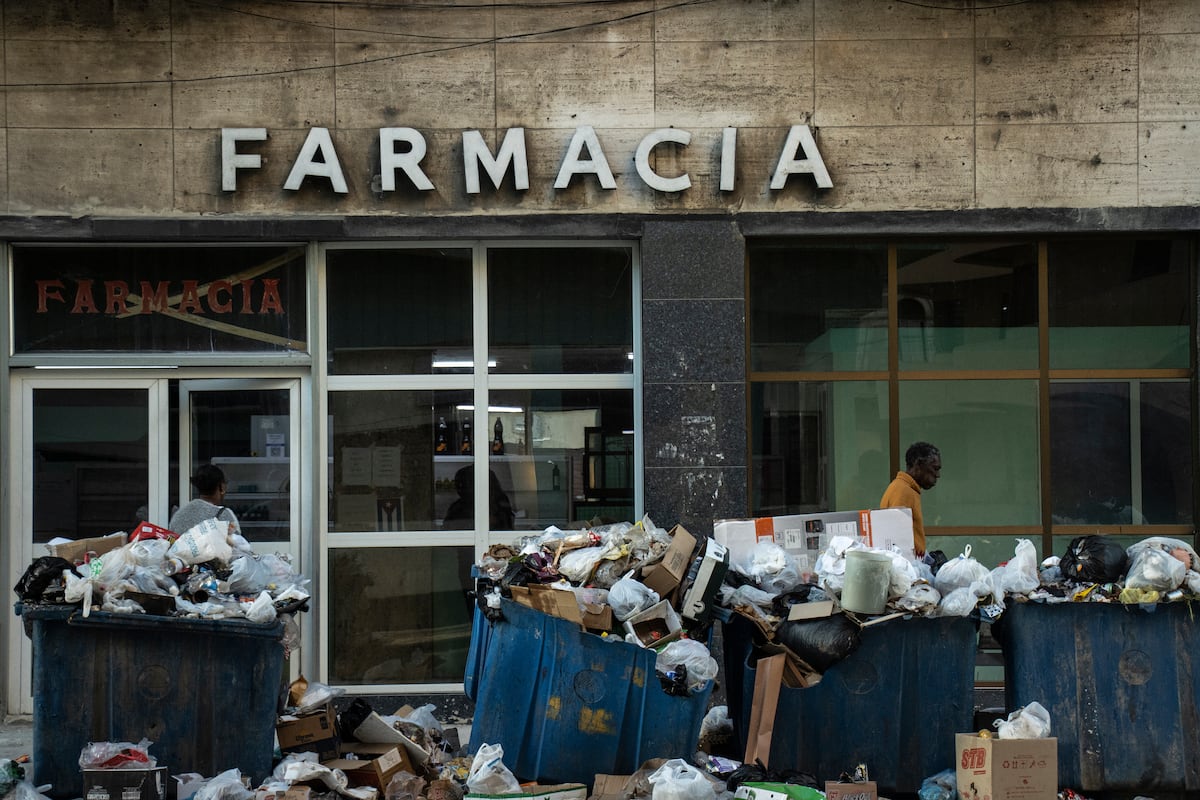
Primary healthcare in Havana has deteriorated, with clinics lacking basic supplies and doctors instructing patients to bring their own syringes and medications. Polyclinics lack reagents for routine urine and blood tests, forcing physicians to issue orders only if patients can complete tests themselves. The Family Doctors program no longer guarantees universal primary care. Medicine shortages, a declining number of doctors due to emigration, and frequent hospital power outages have compounded problems. International health organizations now warn of an escalating humanitarian crisis. Economic shocks from pandemic tourism loss and tightened U.S. sanctions have intensified the systemic collapse.
"A few blocks from Revolution Square, in a former shantytown in Havana, Dr. Omitsa Valdes holds her consultations. It's a dusty, dilapidated place where she tells patients they must bring their own syringe and medication from home. But if a general checkup is needed, including urine and blood tests, Dr. Valdes is even more direct: If you can get it done yourself, I'll write the order."
"For a long time, Cuban medical services were the envy of the world. Even the WHO and the UN recognized until recently that the Family Doctors program, to which Dr. Valdes belongs, was the paradigm of efficient, universal primary care that reached every corner of the country. Today, medicines are scarce, the number of doctors dwindles as they flee the island, and hospitals suffer constant power outages that further complicate matters. International health organizations have shifted from praise to warnings about a humanitarian crisis that continues to escalate."
Read at english.elpais.com
Unable to calculate read time
Collection
[
|
...
]