"East Jerusalem to Amman should have been an easy trip: a short drive down to the Dead Sea, across the border checkpoint and swiftly on to the Jordanian capital. But in the early summer of 2024, the distance appeared an almost insurmountable obstacle to humanitarian workers from Unrwa (the United Nations Relief and Works Agency for Palestine Refugees), as they sought to safeguard huge quantities of archival documents vitally important to decades of recent Palestinian history."
"The effort had been highly sensitive and sometimes dangerous. It had already involved dozens of Unrwa staff in at least four different countries, risky trips to rescue documents under bombardment, officials carefully carrying unmarked envelopes into Egypt, and precious boxes airlifted to safety in military planes. But now time was running out."
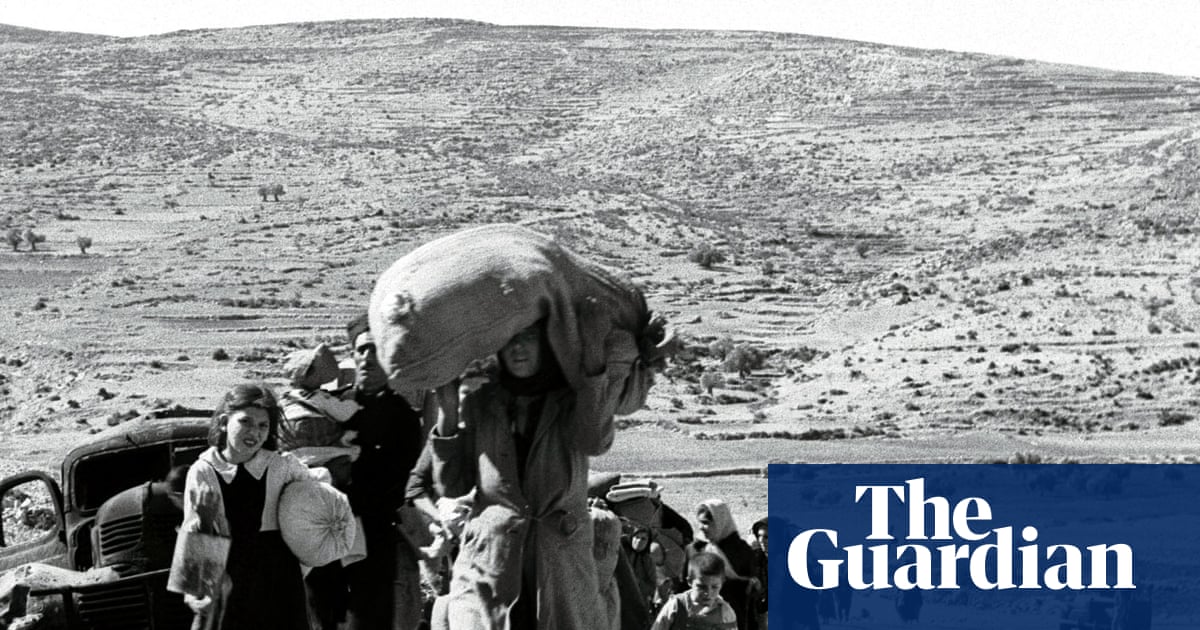
"Unrwa's sprawling compound in East Jerusalem had become the focus of a concerted Israeli effort to expel the agency, and a target of rightwing groups. The significance of the Unrwa archives, much of which detailed Palestinians' experiences as they fled or were forced from their homes during the wars that led to the foundation of Israel in 1948, was clear. Their destruction would have been catastrophic"
"If there is ever a just and durable solution to this conflict, then this is the only evidence people can use to show there were once Palestinians living in a particular place, said Roger Hearn, a senior Unrwa official who oversaw the operation."
Humanitarian workers faced major travel and security barriers when moving Unrwa archival documents from Gaza and East Jerusalem to safety in Jordan. A 10-month operation involved staff across multiple countries, risky trips to retrieve materials under bombardment, careful transport of unmarked envelopes into Egypt, and airlifting precious boxes on military planes. The East Jerusalem compound became a focus of Israeli efforts to expel Unrwa and a target for rightwing groups. The archives contain records of Palestinians’ experiences during wars surrounding Israel’s 1948 founding, including accounts of people fleeing or being forced from their homes. Destruction of these materials would be catastrophic because they provide evidence that Palestinians once lived in specific places.
Read at www.theguardian.com
Unable to calculate read time
Collection
[
|
...
]