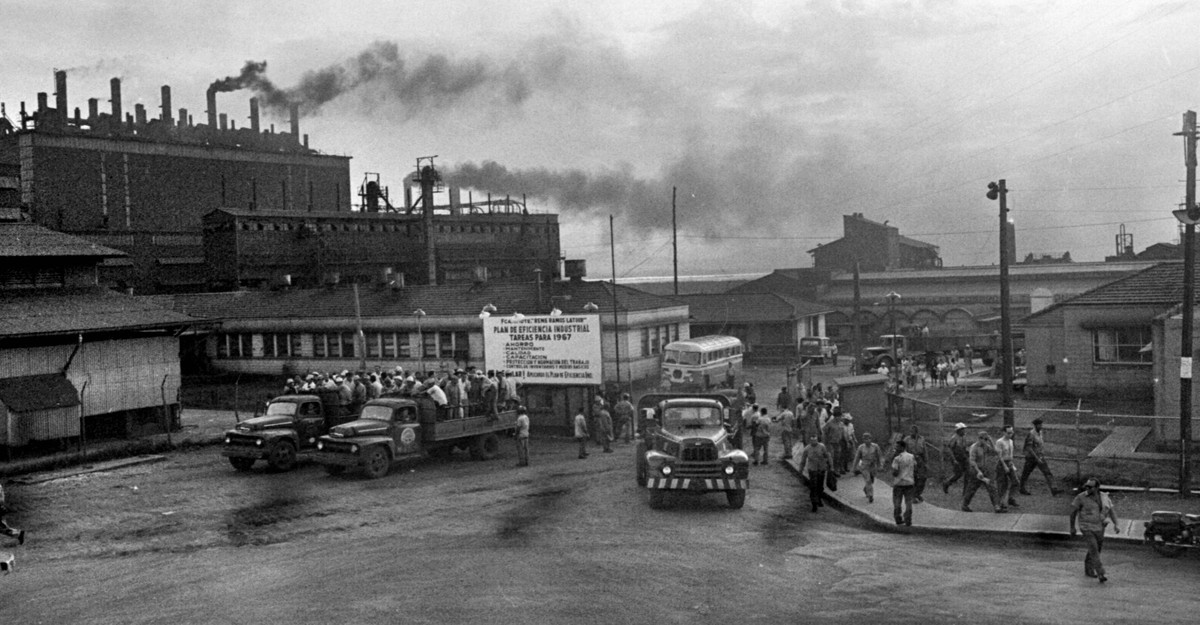
In 1960, Cuba’s post-revolution government seized U.S.-owned companies and assets, including nickel and cobalt plants tied to major global deposits. U.S. acquisition of one plant during World War II aimed to secure strategic nickel supplies, but operations faltered without sufficient know-how. By 1961, mining and factories were largely shut down. The Cuban regime then relied on Soviet engineers and specialists to retool the Nicaro and Moa Bay complexes, supporting power generation and social programs. After the Soviet collapse, Cuba turned to a 1994 deal with Sherritt International, providing ore and labor while Sherritt supplied capital, refining technology, and market access. U.S. measures sought to sever this lifeline, yet nickel and cobalt exports continued, with China as the top destination.
"Cuba provided the ore and labor. Sherritt brought capital, refining technology, and access to global markets. The U.S. tried repeatedly to sever that lifeline for Havana, including with a Bill Clinton-era law that barred any profits being recouped from property confiscated after the 1959 revolution. But the nickel and cobalt kept flowing. Nickel-raw or semifinished-was Cuba's third-largest export in 2024, according to the Observatory of Economic Complexity, and China was the top recipient."
Read at The Atlantic
Unable to calculate read time
Collection
[
|
...
]