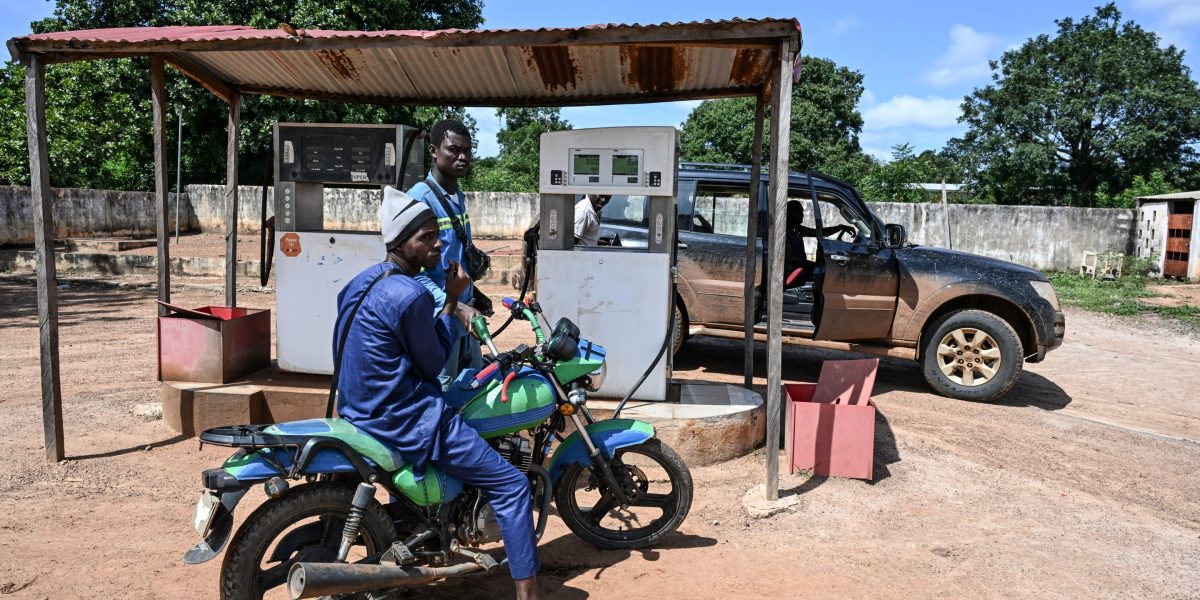
"Africa is a net importer of oil products, meaning it is heavily exposed to shocks like these. When global oil supplies tighten, prices rise while African currencies often weaken as investors move funds into safe-haven assets such as the U.S. dollar. That combination amplifies the impact of price spikes in import-dependent markets such as Kenya and Ghana."
"A similar dynamic unfolded after Russia's full-scale invasion of Ukraine in 2022, when rising crude prices and a weakening currency pushed transport fuel prices in South Africa up by more than 25% within six months. The near-term risks come from mainly the rising oil prices and weakening exchange rates as investors move to safe-haven assets."
"Oil markets remain particularly sensitive to the conflict because of the strategic importance of the Strait of Hormuz, a narrow shipping corridor through which about a fifth of the world's crude passes. Nigeria and Ghana produce crude oil but import most of their refined petroleum products, limiting the benefits to them of higher global prices."
African economies face significant vulnerability to oil price shocks due to their dependence on petroleum imports. When global oil supplies tighten, prices rise while African currencies weaken as investors seek safe-haven assets like the U.S. dollar. This combination amplifies the impact in import-dependent markets such as Kenya and Ghana. The Strait of Hormuz's strategic importance makes oil markets sensitive to Middle East conflicts. Oil price impacts vary across Africa: while oil-producing nations like Nigeria and Ghana benefit from higher crude prices, they still import most refined petroleum products, limiting overall gains. Citizens across the continent face higher transportation and fuel costs regardless of production status.
Read at Fortune
Unable to calculate read time
Collection
[
|
...
]