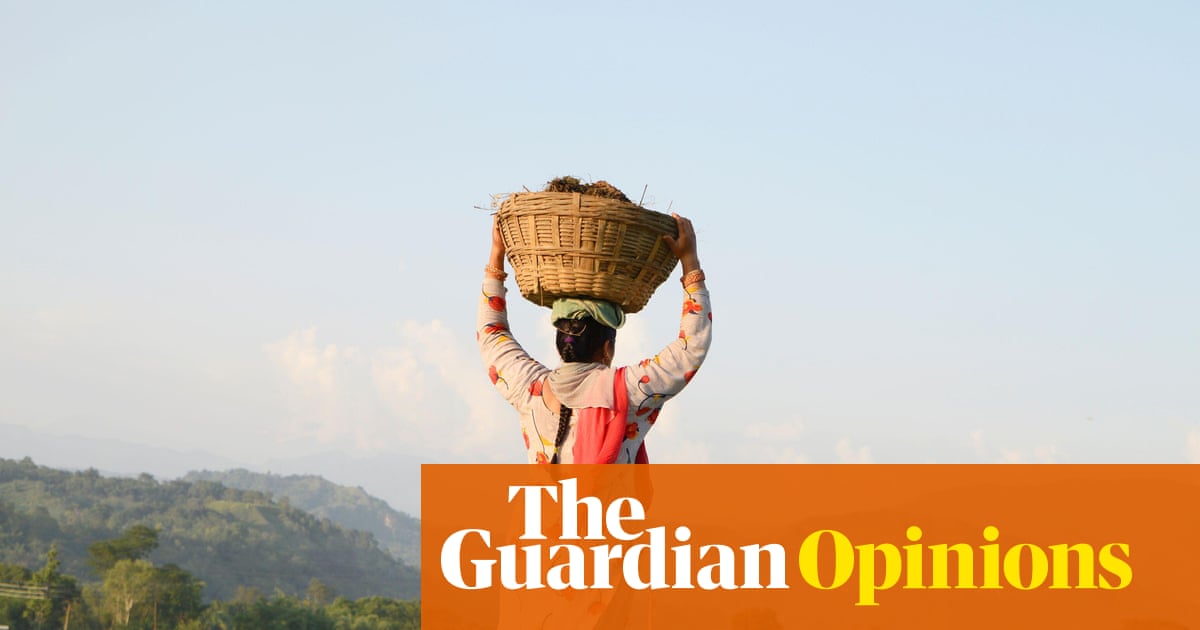
MGNREGA guaranteed any rural adult who demanded work a job on local public works within 15 days or an unemployment allowance, establishing a statutory right to employment. The scheme produces about 2 billion person-days annually for roughly 50 million households, with over half of workers female and about 40% from Dalit and tribal communities. MGNREGA stabilised incomes, raised rural wages, expanded women's bargaining power and reduced internal migration. The government replaced the rights-based system with a centrally managed welfare program, centralising discretion, capping funding and shifting financial risk to states so failure to provide work would no longer be illegal.
"Under the Mahatma Gandhi National Rural Employment Guarantee Act, any adult in the countryside who demanded work was entitled to a job on local public works within 15 days, failing which the government had to pay an unemployment allowance. Enacted in 2005, MGNREGA created the world's most far-reaching legal right to employment. It generates 2bn person-days of work a year for about 50m households."
"Over half of all workers were women, and about 40% came from Dalit and tribal communities. For a country where vast numbers rely on seasonal farm work, the scheme mattered. It stabilised incomes, raised rural wages, expanded women's bargaining power and reduced internal migration. Households could demand up to 100 days of paid work at a statutory minimum wage, turning employment into an enforceable right."
Read at www.theguardian.com
Unable to calculate read time
Collection
[
|
...
]