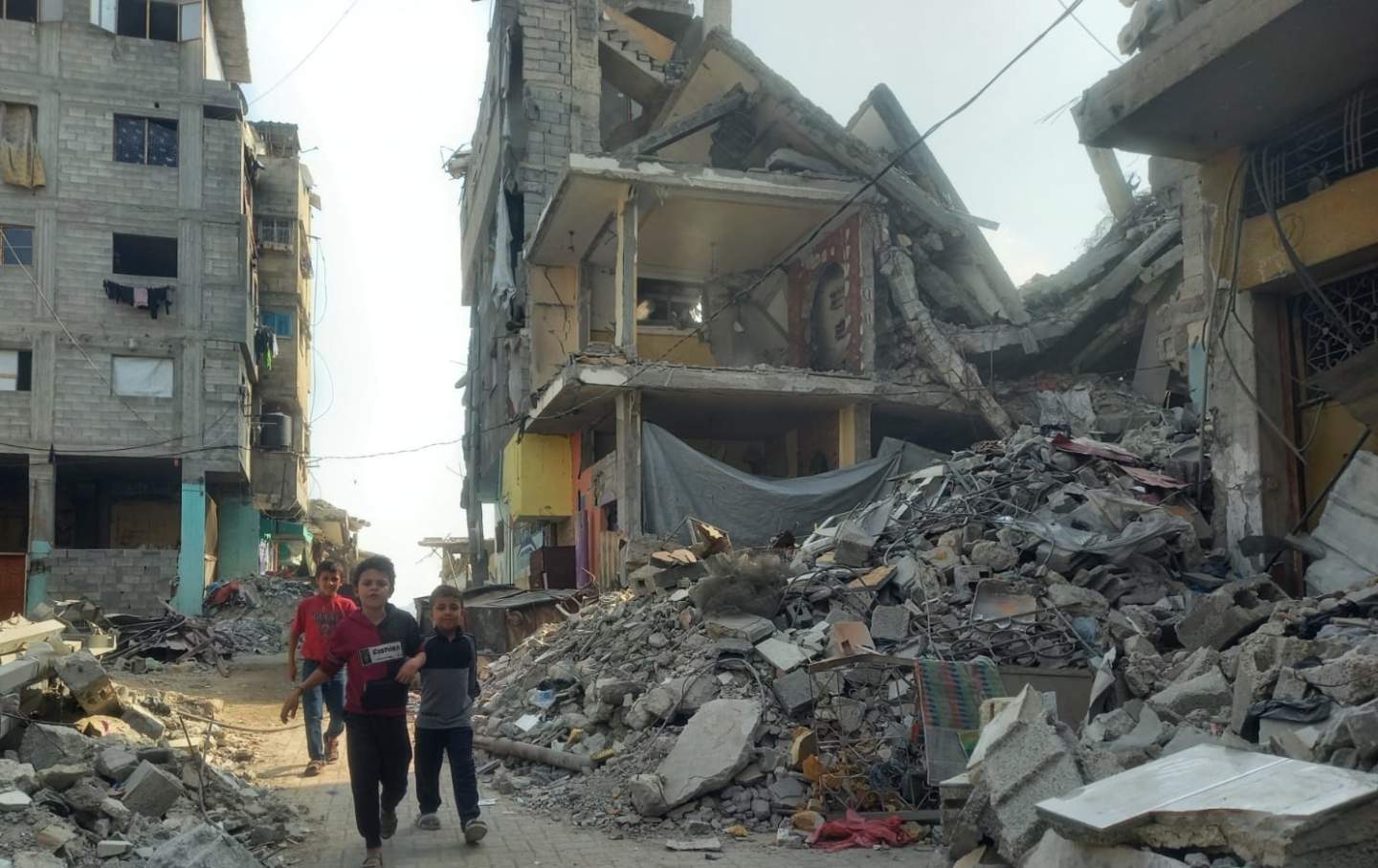
"I used to know this block, the Colorful Block, by the sound of life. Children's laughter spilled from every doorway; men argued playfully over the price of tomatoes; my uncle's supermarket-bright and packed with goods of every kind-glowed late into the night. The refrigerator hummed, the bulbs buzzed, and the air smelled like oranges and detergent. That was before everything went dark."
"When I came back after the ceasefire, I could barely recognize the street. The neighborhood, once painted in pinks, blues, and yellows to chase away the gloom of the blockade, had turned the color of dust. My uncle's supermarket was only a blackened frame. Where the candy aisle once stood, a twisted shopping cart now lay half-buried in rubble. People say the war has ended."
The Colorful Block once thrummed with life: children's laughter, playful market arguments, a glowing supermarket, humming refrigerators, buzzing bulbs, and the smell of oranges and detergent. After the ceasefire, the street lies unrecognizable, painted now the color of dust; shops reduced to blackened frames and aisles replaced by twisted carts and rubble. Bombing has eased, but an oppressive silence remains that acts as continued violence. Neighbors move through displacement, salvaging possessions and memories while rebuilding fragile lives. Abdel Rahman Jebril stands beside his collapsed home, injured and repeatedly displaced, clutching torn photographs of his children and their lost dreams.
Read at The Nation
Unable to calculate read time
Collection
[
|
...
]