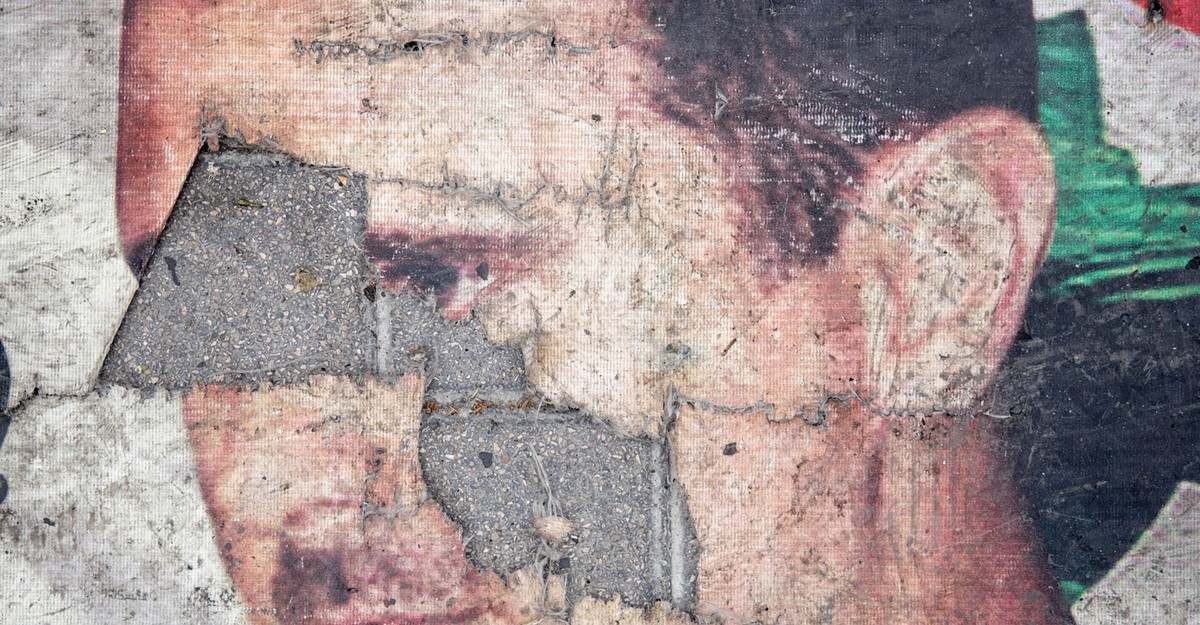
Bashar al-Assad fled Damascus on a Russian jet as rebel forces closed in on December 7, 2024, abandoning aides who believed he remained at the palace. His nighttime escape and earlier reassurances that victory was near transformed loyalty into fury and provoked widespread revulsion among former supporters. Many Syrians turned against Assad, seeing him as personally responsible for decades of torture and mass killing. The regime's sudden collapse ended a brutal police state but left most of Syria without effective governance outside the capital. Ahmed al-Sharaa, an Islamist new leader with tenuous authority, has won Western charm but presides over a country at high risk of renewed war.
"Bashar al-Assad, who oversaw the torture and murder of hundreds of thousands of his fellow Syrians during a quarter century in power, may have achieved something new in the annals of tyranny. As the rebels closed in on Damascus on December 7, 2024, Assad reassured his aides and subordinates that victory was near, and then fled in the night on a Russian jet, telling almost no one."
"Assad's betrayal was so breathtakingly craven that some people had trouble believing it at first. When the facts became impossible to deny, the loyalty of thousands of people curdled almost instantly into fury. Many swore that they had always secretly hated him. There is an expression in Arabic for this kind of revisionist memory: When the cow falls, the butchers multiply."
""You can still find people who believe in Muammar Qaddafi, who believe in Saddam Hussein," Ibrahim Hamidi, a Syrian journalist and editor, told me. "No one now believes in Bashar al-Assad, not even his brother." The sudden collapse of the Assad regime put an end to a cruel police state, but now there is virtually no Syrian state at all outside the capital."
Read at The Atlantic
Unable to calculate read time
Collection
[
|
...
]