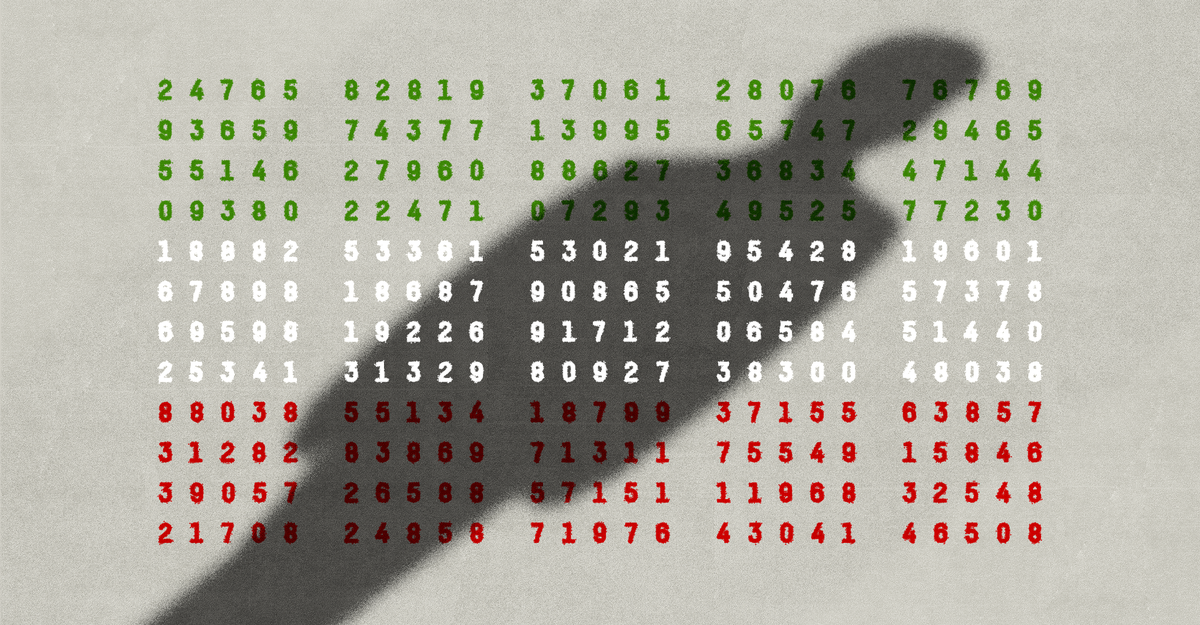
"When the CIA and the KGB needed to communicate with their spies working undercover, such broadcasts were convenient and safe ways to send orders around the world. The intended recipient turns on their radio at a set time to a specific station and writes down the numbers they hear. Using a technique called a 'one-time pad,' they convert each number into a letter, eventually revealing a message."
"When used properly, this old-school method creates an unbreakable secret code. But numbers stations—which are recurring elements of Cold War-era spycraft in movies and TV shows—have been largely replaced by digital encryption and internet-based covert-communication systems. So why is a Persian-language numbers station broadcasting in the middle of a war in 2026?"
"The mystery of the numbers station points to a murky shadow war with Iran under way long before the latest round of overt hostilities broke out a week ago. Both sides in this struggle have employed unconventional means. But the Iranian regime has been particularly reliant on asymmetric attacks, including against civilians."
A numbers station broadcasting in Farsi emerged on February 28 during military operations against Iran, using an antiquated Cold War communication method. Numbers stations transmit seemingly random sequences that operatives decode using one-time pads—a centuries-old encryption technique where only sender and recipient possess the decryption key. This method creates theoretically unbreakable codes since the pad is destroyed after use. Though largely replaced by modern digital encryption and internet-based systems, the mysterious Persian-language broadcast indicates ongoing covert intelligence activities. The transmission suggests a shadow war with Iran predating recent overt hostilities, with both sides employing unconventional tactics, particularly asymmetric attacks by the Iranian regime.
Read at The Atlantic
Unable to calculate read time
Collection
[
|
...
]