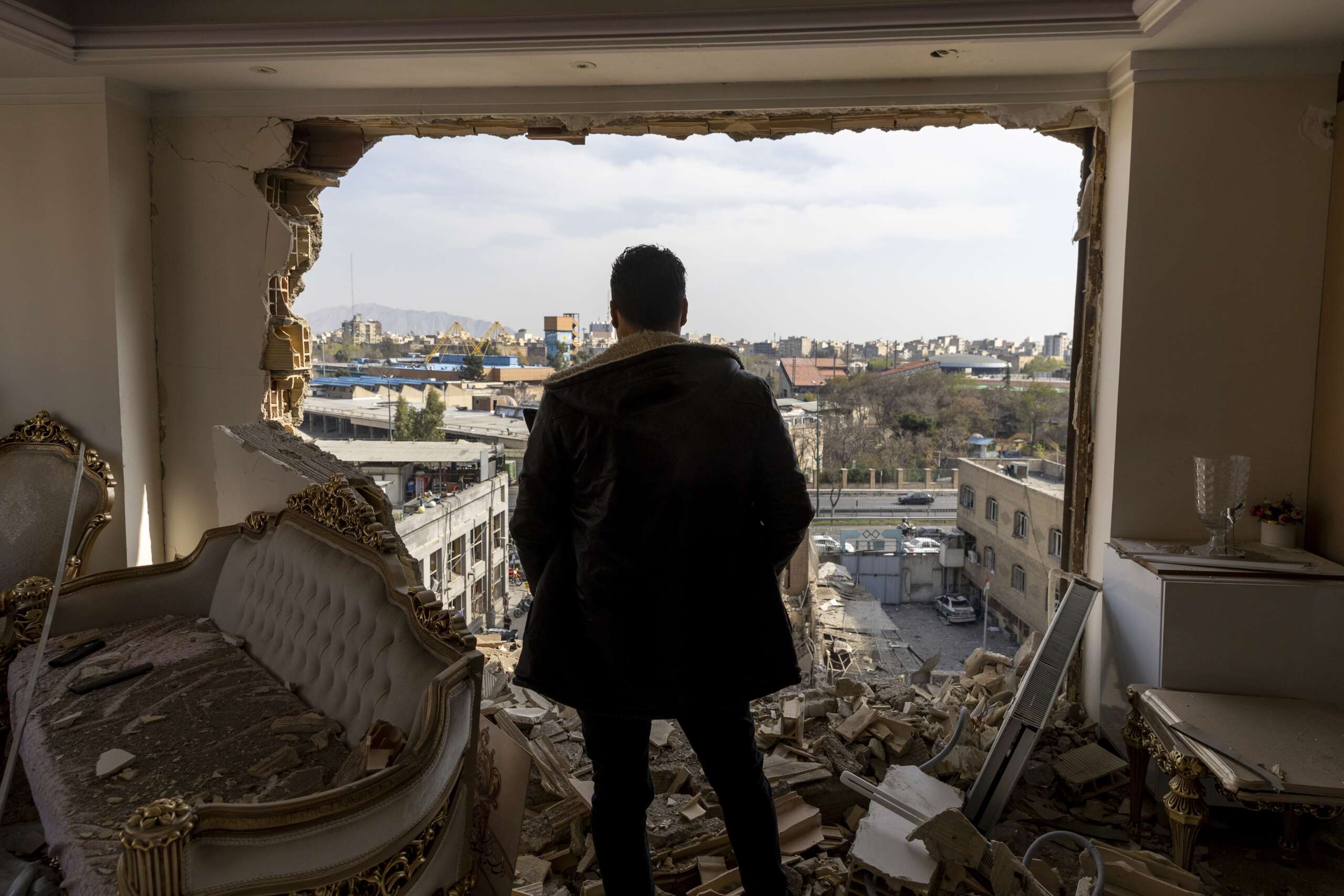
Israeli airstrikes targeted 30 oil facilities in Tehran and surrounding regions on March 8, causing explosions that killed six people and created widespread environmental devastation. The strikes produced toxic black rain containing acid and oil residue that blanketed the city, reducing visibility and coating vehicles and surfaces. Scientists warn that long-term exposure to compounds in this black rain may increase risks of cancer, cardiovascular disease, and cognitive impairment. The attacks occurred without UN Security Council or U.S. Congressional authorization, drawing criticism from international observers and even U.S. allies. As civilian casualties mount and destruction spreads across Iranian cities, residents question the international community's failure to support them despite earlier political backing during domestic protests.
"Clouds of smoke had shrouded the metropolis of 10 million, toxic rain blended with oil poured down from the sky, and the sun remained invisible through noon on the morning of March 8. Hours earlier, Israel had launched airstrikes on 30 oil facilities in Tehran and nearby regions, causing explosions that killed six people in the city of Karaj."
"Scientists have raised the alarm that long-term exposure to the compounds contained in this 'black rain' may potentially increase the risk of cancer, cardiovascular conditions, and cognitive impairment among the inhabitants of Tehran."
"When the United States and Israel launched their unprovoked and incoherent war on Iran on February 28, international observers decried the attack, questioning its legal basis in the absence of authorization by the UN Security Council and the U.S. Congress."
#israeli-airstrikes #environmental-contamination #tehran-toxic-rain #international-conflict #public-health-crisis
Read at Truthout
Unable to calculate read time
Collection
[
|
...
]