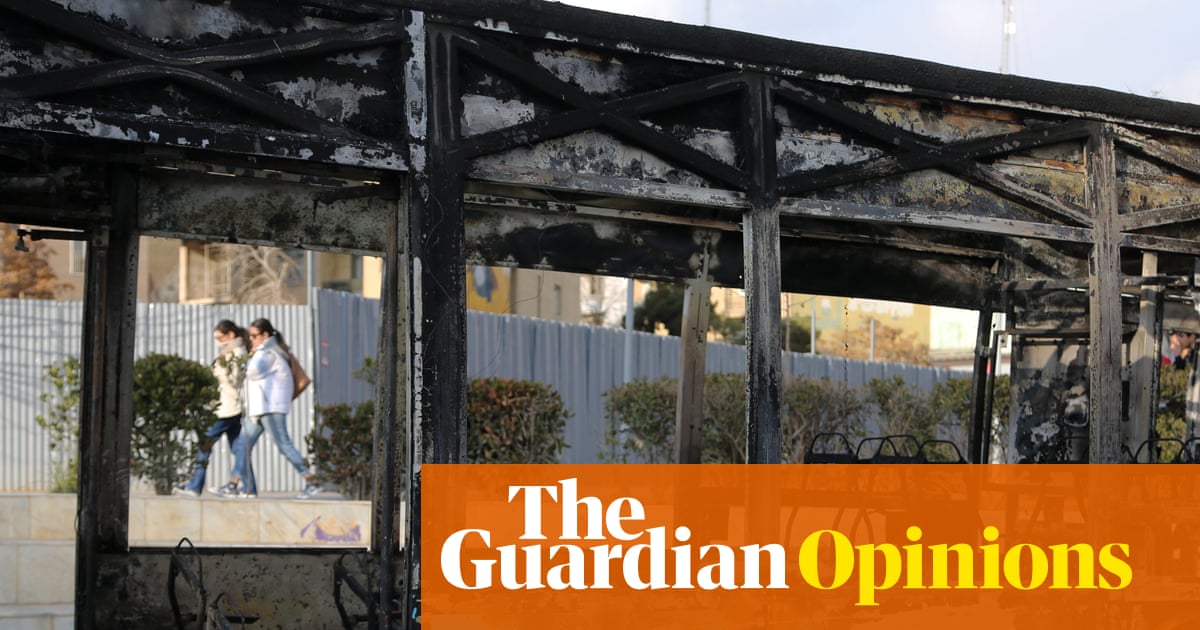
"In late December, Iran experienced the beginnings of an uprising driven primarily by economic pressures, initially emerging among merchant bazaaris and subsequently spreading across broader segments of society. As events unfolded rapidly, calls for regime change became the focus of international attention. Consistent with its response to previous protest movements, the Iranian government once again opted for repression rather than engagement, violently suppressing demonstrations instead of allowing popular grievances to be articulated and addressed."
"As visual evidence circulated depicting the accumulation of bodies at Kahrizak, it became increasingly evident that the primary instigator of the violence leading to these fatalities was the Islamic Republic itself, which has refused to tolerate civil unrest and has consistently responded to popular mobilisation with force. To understand the scale of repression, it is necessary to examine the ideological foundations of the regime, which are rooted in an apocalyptic worldview."
In late December an uprising began in Iran driven mainly by economic pressures, starting among merchant bazaaris and spreading to broader society. The government responded with violent repression rather than engagement, suppressing demonstrations and causing fatalities, with bodies accumulating at Kahrizak. The regime's ideological foundations are rooted in an apocalyptic worldview, and the state operates within a network of Shia jihadist militias across the Middle East mobilised to suppress unrest. Reports suggest militias from neighbouring countries, particularly Iraq, entered Iran to assist repression. A devoted domestic ideological base demands swift state action. Calls for regime change were amplified by Reza Pahlavi and monarchist diaspora groups, some backed by foreign actors including Israel.
Read at www.theguardian.com
Unable to calculate read time
Collection
[
|
...
]