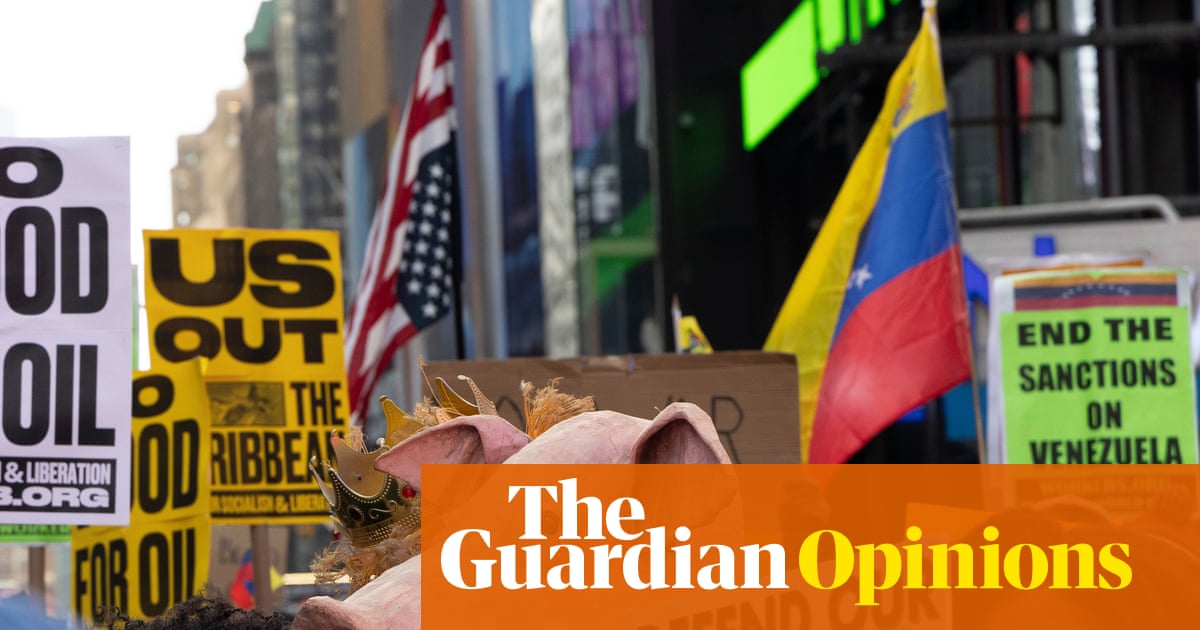
"Across borders, cultures and faiths, most ordinary people want the same things: the ability to earn a living, put a roof over their heads, feed their families and watch their children grow up with a future. These are not radical ideas, but they are today routinely sacrificed on the altar of geopolitics. When power and profit take precedence, governments abandon the everyday realities of those they claim to protect and serve, especially when domination of another country's resources, markets or political direction is at stake."
"In 2026, the pattern is unmistakable. War is not only waged with bombs and soldiers, but through its quieter sibling: sanctions. These encompass a broad range of coercive measures, including trade and investment restrictions, financial controls, banking blacklists, asset freezes, and visa and travel restrictions. Sanctions are sold as targeted In practice, they function as broad blocks on trade and finance that ripple through populations"
"they are routinely weaponised against weaker states that fall outside the western orthodoxy of governance and market capitalism, with devastating consequences for societies that often pose no threat but refuse political subordination. Sanctions are not benevolent tools for guardians of human rights; they are a means of economic warfare, with civilians as collateral damage. Sanctions are sold as targeted aimed at elites, corrupt officials or illicit industries. In practice, they function as broad blocks on trade and finance that ripple through populations."
Across borders, ordinary people seek livelihoods, shelter, food and secure futures for their children. Geopolitical priorities often override these everyday needs when power and profit dominate. Sanctions have become a principal non-military form of coercion, encompassing trade and investment restrictions, financial controls, banking blacklists, asset freezes, and visa and travel bans. Sanctions are marketed as targeted measures against elites or illicit actors but frequently act as broad blocks on trade and finance that ripple through populations. Western states routinely deploy sanctions against governments outside prevailing market-capitalist norms, producing devastating social and economic consequences. Empirical evidence from Latin America and the Caribbean links sanctions to lower growth, greater inequality and increased poverty.
Read at www.theguardian.com
Unable to calculate read time
Collection
[
|
...
]