"A massive earthquake had just rattled Tokyo. A news article confirmed that a magnitude 7.9 quake had indeed struck 80 miles off the coast of Japan. Later, it was upgraded to 9.0, 1,000 times more powerful in terms of energy released. Holy shit, I thought. That's huge! Worried, I emailed my old college friend Ichiro, who lived in Tokyo, to make sure his family was safe."
"By the time Ichiro's message arrived, distressing images of the tsunami were already circulating online and the death toll was rising fast, though the floodwaters were by then receding. As I watched heartbreaking videos of screaming onlookers, capsized boats, floating debris, and cars submerged like toys in a bathtub, another tragedy was unfolding that few, even inside the Japanese government, were aware of."
"While we consider the dangers of such weapons and their capacity to cause massive destruction, we often overlook the risks associated with what still passes for 'peaceful' nuclear power. With that in mind, let me revisit a moment when that reality should have become far clearer."
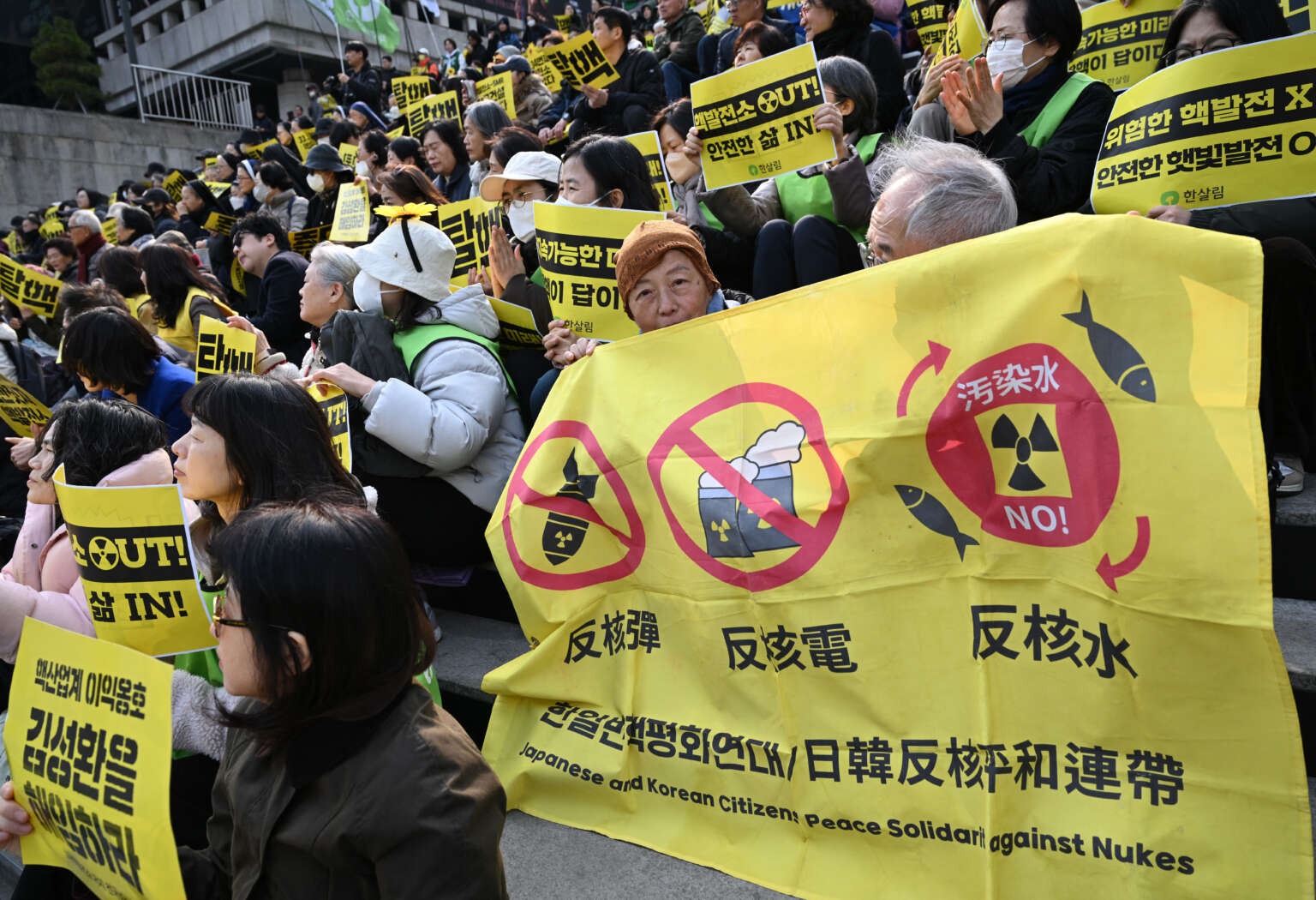
On March 11, 2011, a magnitude 9.0 earthquake struck off Japan's coast, triggering a devastating tsunami that flooded the Tohoku region north of Tokyo and killed thousands. While the immediate disaster captured global attention through social media and news coverage, a secondary catastrophe unfolded simultaneously at the Fukushima nuclear plant that few recognized at the time. This event highlighted the dangers of civilian nuclear power infrastructure, which remain underappreciated in public discourse. Nine nations currently possess nuclear weapons, and tensions persist over nuclear proliferation in the Middle East, yet the risks associated with supposedly peaceful nuclear energy generation deserve equal consideration and awareness.
#fukushima-nuclear-disaster #nuclear-power-safety #2011-japan-earthquake-and-tsunami #nuclear-proliferation-risks #civilian-nuclear-energy-dangers
Read at Truthout
Unable to calculate read time
Collection
[
|
...
]