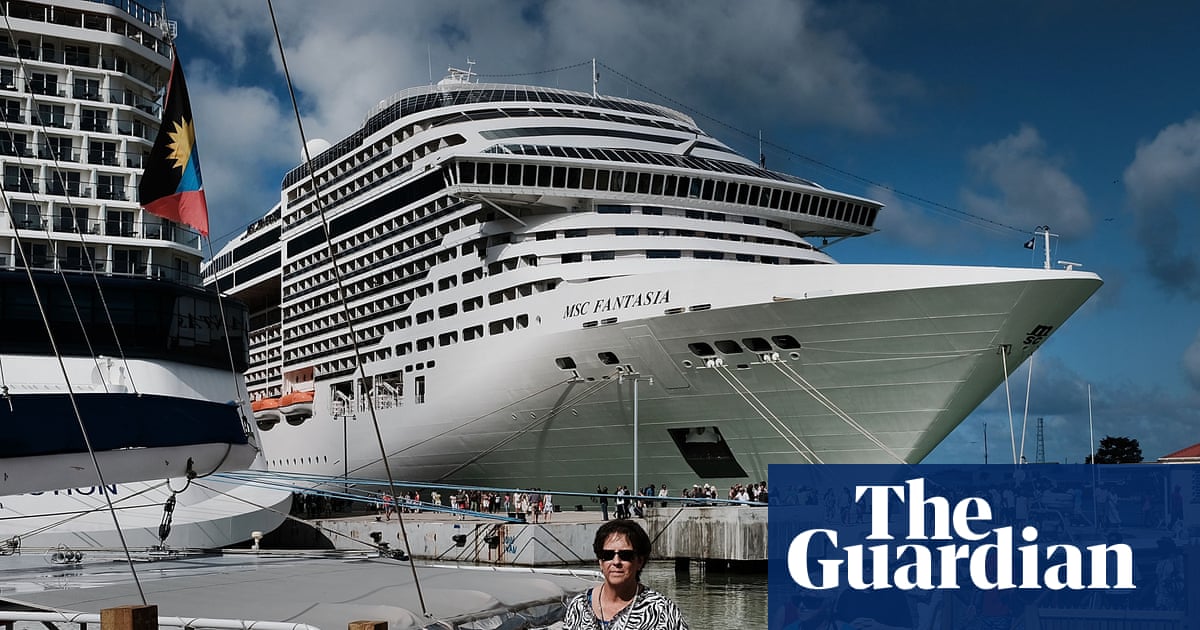
"Luxury tourism in the Caribbean sells a kind of timelessness. A paradise of sun, sea and sand. But to step off the cruise ship or away from the all-inclusive resort is to see a more complex picture: a history of colonialism and a future of climate devastation. New research from the Common Wealth thinktank maps how, over the 400 years since the first English ships arrived in Barbados, empire engineered a system of wealth extraction that shapes the tourism economies of today."
"Between 1640 and 1807, Britain transported about 387,000 enslaved west Africans to the island. Extraordinary violence, from whippings to amputations and executions, were a regular feature of their lives. On the Codrington Plantation in the mid-18th century, 43% of the enslaved died within three years of their arrival. Life expectancy at birth for an enslaved person on the island was 29 years old. This was the incalculable human cost of the transatlantic slave economy."
Luxury tourism in the Caribbean projects timeless paradises of sun, sea and sand while underlying realities include a history of colonialism and present climate devastation. Over 400 years since English arrival in Barbados, empire engineered systems of wealth extraction that shaped contemporary tourism economies. Barbados functioned as a central site of British slave society, with Britain transporting hundreds of thousands of enslaved West Africans and subjecting them to routine extreme violence and high mortality. Enslaved labor generated the majority of export value in the Americas, enriching European powers while imperial policy ensured most sugar-industry profits flowed to Britain through merchants, insurers and refineries.
Read at www.theguardian.com
Unable to calculate read time
Collection
[
|
...
]