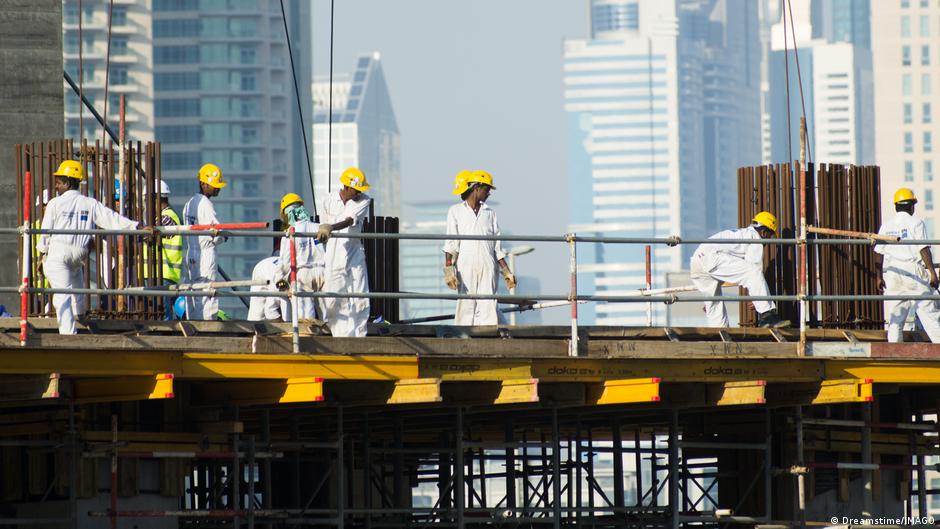
"One early morning this week, she received a message from her husband saying that his salary would be delayed again. She says she had to fight back tears. Bibi's husband has been living in Saudi Arabia for the past decade. He works for a Riyadh-based construction company. "He says the company is facing issues due to regional conflict," she said, referring to the Iran war."
"For Samina, the delay in remittance is not merely an inconvenience, but a disruption that ripples through every part of her life. She says the Middle East crisis is directly affecting the families of migrant workers in the region. "I just think, what about us relying solely on his 80,000 rupees (245, $288) per month?""
"Dependent on money transfers from abroad Pakistan is among the world's largest recipients of remittances, with tens of billions of dollars flowing in each year much of it from workers in the Gulf. For millions of households, this money offer an economic lifeline, allowing them to cover basic needs including food, rent, education, and health care. According to the State Bank of Pakistan, Saudi Arabia and the United Arab Emirates (UAE) contributed more than half of Pakistan's record $38.3 billion remittances in fiscal year 2025."
"But as the crisis bites, causing delays and fluctuations, many are now questioning Pakistan's heavy reliance on Gulf economies. Analysts warn that rising Middle East tensions, along with labor market shifts like increased automation and preference for hiring local workers, could threaten the remittance income for millions of Pakistani families. "There are rising reports of workers from the Gulf being sent back. No numbers or data are available at the moment though," said Khurram"
A mother in Rawalpindi receives news that her husband’s salary remittance from Saudi Arabia will be delayed again due to regional conflict. Her household relies on the monthly income to cover essentials, and the delay affects food, rent, education, and health care. Pakistan receives tens of billions of dollars in remittances each year, with Saudi Arabia and the UAE contributing more than half of a record $38.3 billion in fiscal year 2025. As Middle East tensions increase, remittances face delays and fluctuations. Analysts warn that labor market changes, including automation and a preference for hiring local workers, could reduce remittance flows. Reports also suggest some workers may be sent back, though data is not yet available.
Read at www.dw.com
Unable to calculate read time
Collection
[
|
...
]