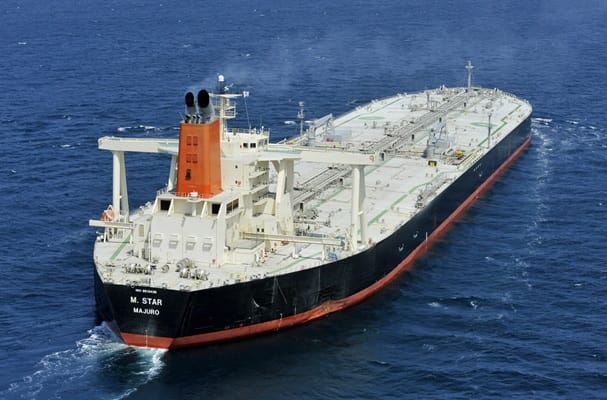
"In the Strait of Hormuz, persistent issues, including tanker attacks and stalled maritime movements, have effectively reduced oil flows and sparked fears of prolonged shortages. In this regard, Iraq has already cut its output by approximately 1.5 million barrels per day due to severe storage and export constraints."
"As a result, traders are actively pricing in the risk of broader forced shutdowns if the disruptions continue, which could have severe knock-on effects for overall crude exports from the region."
"Nevertheless, the prevailing uncertainty surrounding the conflict's duration continues to keep upward pressure firmly in place. Moving forward, prices are expected to remain elevated as long as the risks surrounding the Strait of Hormuz persist."
Global oil prices are rising due to geopolitical tensions in the Middle East, particularly affecting the Strait of Hormuz where tanker attacks and maritime disruptions reduce oil flows. Iraq has cut production by approximately 1.5 million barrels per day due to storage and export constraints. Traders are pricing in risks of broader forced shutdowns if disruptions continue, threatening crude exports from the region. US initiatives including tanker insurance support and naval escorts may help limit price spikes, but uncertainty about conflict duration maintains upward pressure. Oil prices are expected to remain elevated while Strait of Hormuz risks persist, with meaningful pullbacks dependent on geopolitical de-escalation or reopened commercial tanker flows.
#oil-prices #middle-east-geopolitical-tensions #strait-of-hormuz-disruptions #energy-supply-constraints #shipping-route-security
Read at London Business News | Londonlovesbusiness.com
Unable to calculate read time
Collection
[
|
...
]