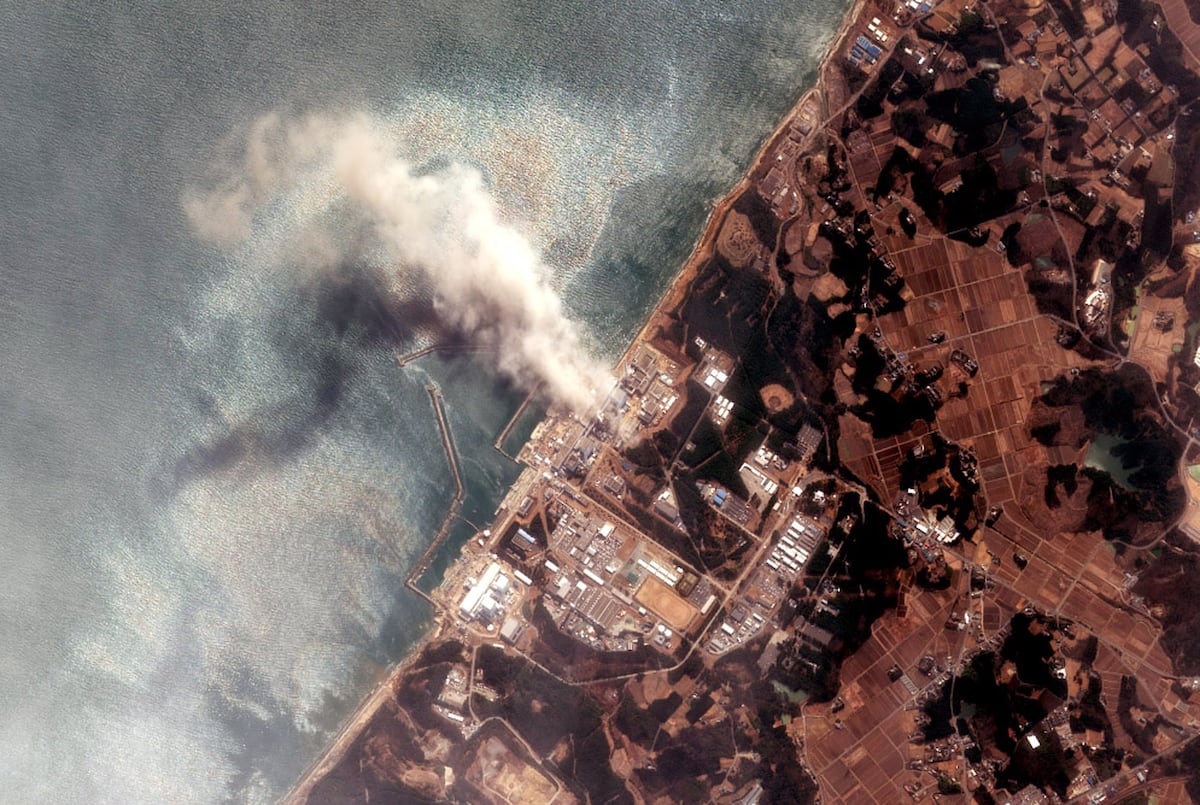
"After the nuclear shutoff, which was caused by a brutal earthquake and subsequent tsunami, Japan founded the Nuclear Regulation Authority, and tightened regulations. As a result, 24 of the country's 54 reactors were deactivated and are now in the process of being dismantled. Of the 30 that remain, only 15 have been authorized to resume operations, and currently supply nearly 9% of the nation's electricity."
"The company that manages the plant is Tokyo Electric Power Company, which also owned the ill-fated Fukushima Daiichi, and polling carried out by media and the local government found that many area residents opposed restarting the Kashiwazaki-Kariwa plant, due to TEPCO's bad reputation and its history of irregularities in the management of Fukushima Daiichi. It was questioned whether TEPCO was really trustworthy."
Japan's nuclear energy sector is experiencing a cautious revival 15 years after the Fukushima Daiichi disaster forced reactor shutdowns and displaced thousands. The government established the Nuclear Regulation Authority and implemented stricter safety regulations, resulting in 24 reactors being deactivated for dismantling. Of the 30 remaining reactors, only 15 have received authorization to resume operations. The Kashiwazaki-Kariwa plant recently restarted after three years of obtaining local approval, despite significant public opposition due to Tokyo Electric Power Company's management of the failed Fukushima facility. The company's credibility remains questioned by residents and officials, highlighting the persistent trust deficit between utilities and communities affected by the nuclear accident.
Read at english.elpais.com
Unable to calculate read time
Collection
[
|
...
]