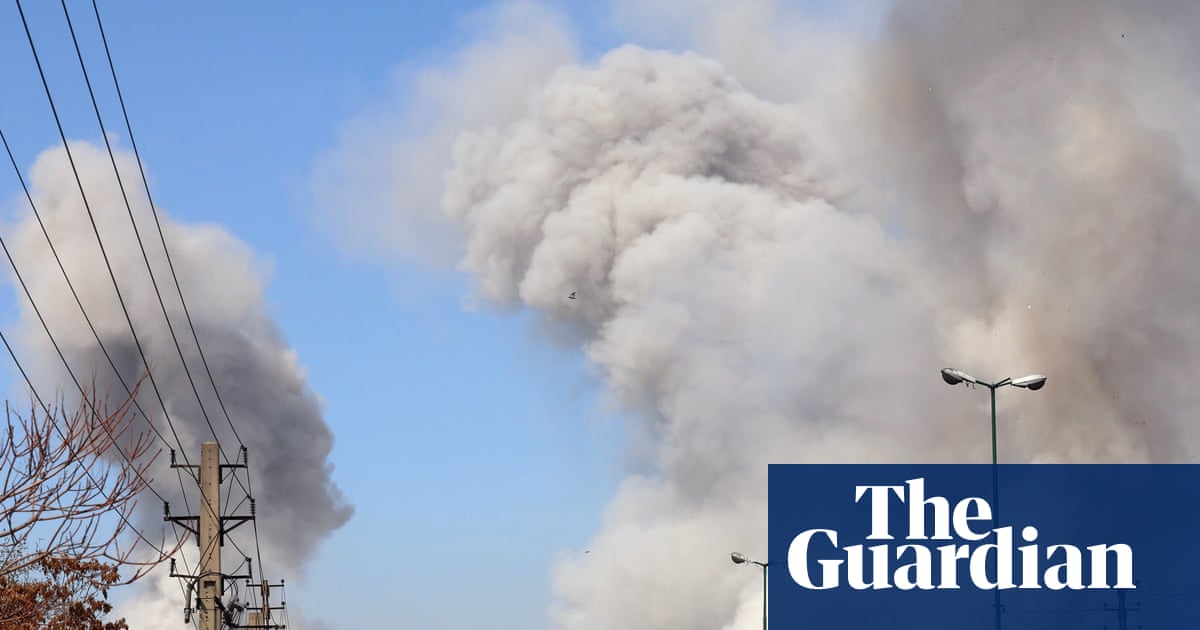
"Information barely gets through, said Ali*, based in Tehran. If there's no internet, we know absolutely nothing. Not about other cities, not even about what's happening a few streets away. There's this belief going around that this time only military bases are being targeted, not residential areas, Ali said. I honestly don't know how true that is. I doubt it."
"Hours after the US-Israeli attack began on Saturday, Iran was plunged into a near-complete internet shutdown, which has now lasted over 100 hours, according to Doug Madory, director of internet analysis at Kentik. Iran's internet traffic was around 1% of ordinary levels, the internet freedom monitor NetBlocks said on Thursday."
"That means that while the IDF has been posting evacuation warnings on its social media channels about civilian areas in Iran it is preparing to bomb, experts said they were almost certainly not reaching most of the civilians in those zones."
Following US-Israeli airstrikes on Iran, a near-complete internet shutdown lasting over 100 hours has left civilians without access to vital information about strike locations, damaged infrastructure, and evacuation orders. Iran's internet traffic dropped to approximately 1% of normal levels, with evidence suggesting the government initiated the blackout rather than damage alone causing it. State media provides limited or contradictory information about attacks, while evacuation warnings posted by the IDF on social media cannot reach most affected civilians. The shutdown prevents people from learning about conditions in other cities or nearby areas, creating dangerous uncertainty about safety. Human rights groups warn this information blackout significantly increases the humanitarian toll of the conflict.
Read at www.theguardian.com
Unable to calculate read time
Collection
[
|
...
]