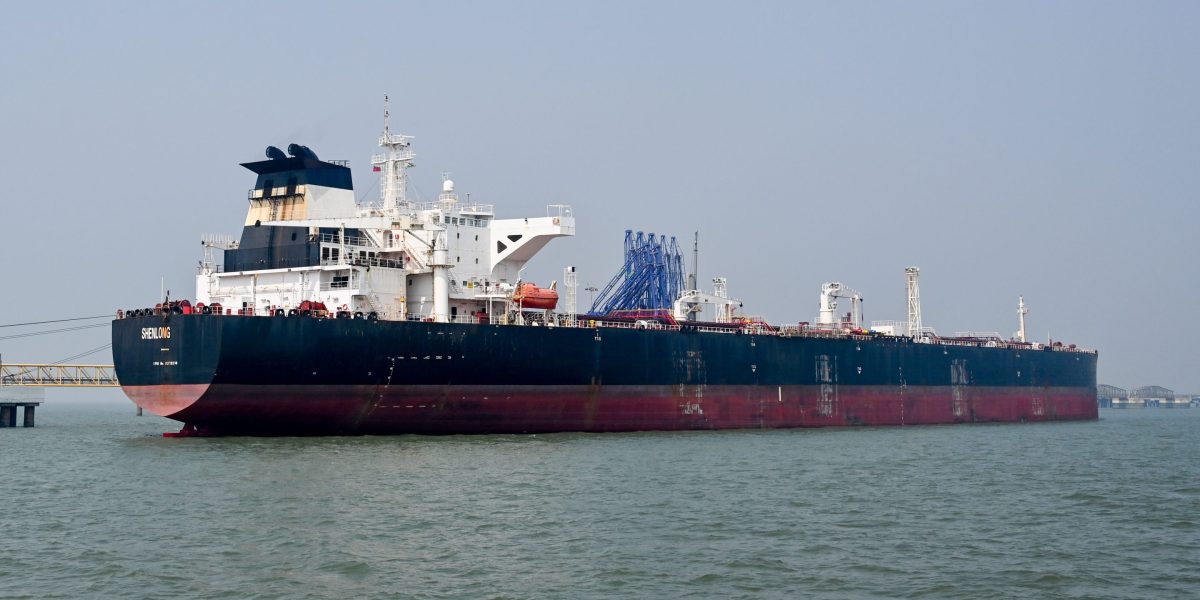
"An Iranian supertanker was spotted in the waters north of Hormuz on Sunday, with its destination listed as China, according to vessel-tracking data compiled by Bloomberg. A few more Iran-linked ships crossed through the chokepoint in the last 24 hours. A US strike on military targets on Kharg Island, which handles most of Iran's crude exports, has heightened risks in global oil supply chains."
"Electronic interference continues to disrupt vessel-tracking systems in the region. The practice of ships disabling AIS in high-risk waters is also reducing the timeliness and reliability of tracking information. With vessels going dark in high-risk waters, transit counts may appear lower initially and be revised higher once delayed data emerges."
"Because vessels can move without transmitting their location until they're well away from Hormuz, automated positioning signals were compiled over a large area covering the Gulf of Oman, the Arabian Sea and the Red Sea to detect those that may have departed or entered the Persian Gulf. When potential transits are identified, signal histories are examined to determine whether the movement appears genuine or is the result of spoofing."
Commercial traffic through the Strait of Hormuz has nearly halted following US military strikes on Iran's Kharg Island crude export facility. Iranian-linked vessels, including supertankers and LPG ships, continue navigating the waterway despite escalating security risks. The US is coordinating with allies to deploy warships and reopen the strait. Back-channel coordination appears to allow select vessels, such as Indian LPG tankers, to bypass gridlock. Electronic interference and deliberate AIS disabling by ships reduce tracking reliability. Multiple Iranian-linked vessels, including VLCCs and containerships, have been detected entering or exiting the Persian Gulf. Vessel positioning data is compiled across the Gulf of Oman, Arabian Sea, and Red Sea to identify transits, with analysis distinguishing genuine movements from electronic spoofing.
#strait-of-hormuz-shipping-disruption #iranian-vessels-and-sanctions #maritime-tracking-and-electronic-interference #global-oil-supply-chain-security #us-military-operations-and-geopolitics
Read at Fortune
Unable to calculate read time
Collection
[
|
...
]