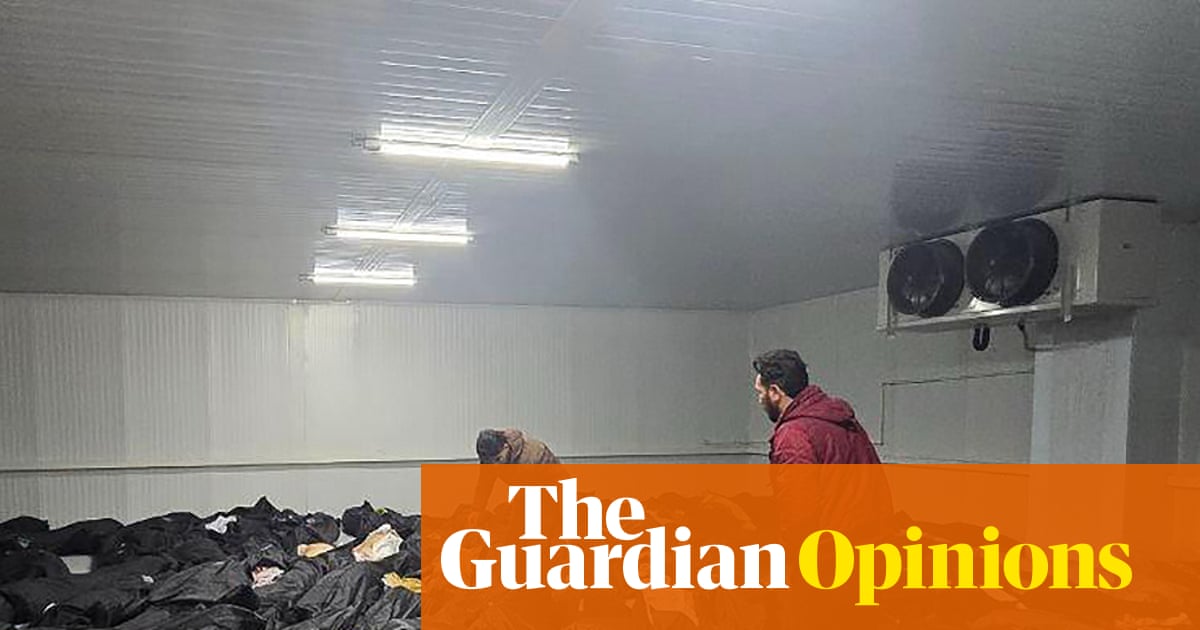
"Up until a few hours earlier, doctors and patients were still sending me photos on WhatsApp; pellet wounds to the back, the hands, the head. Painful injuries, frightening injuries but survivable. The kinds of wounds that could be treated, that suggested the violence still had limits. Then, at eight o'clock, everything went dark. Internet, mobile phones, messages, maps all gone. Minutes later, the gunfire started."
"By the time I arrived, it was immediately clear that we were no longer dealing with the same situation. The patients coming in now were not hit by pellets they had been shot with live ammunition. War bullets. These were not warning shots. These were bullets designed to pass through the body. I am a surgeon who deals mostly with torso injuries, and that night the operating rooms filled with wounds to the chest, abdomen and pelvis."
By 8 January, anti-regime protests had spread across Iran with reports of at least 45 people killed by security forces; subsequent crackdown over the next three days is estimated to have caused more than 5,000 deaths. An internet and mobile blackout preceded intensified shootings in Tehran. Initial casualties presented with pellet wounds that were often survivable, then shifted to penetrating injuries from live ammunition. Operating rooms filled with chest, abdominal, and pelvic wounds requiring immediate intervention. Many shots were fired at close range, producing catastrophic damage and creating mass-casualty conditions with minimal margin for delay.
Read at www.theguardian.com
Unable to calculate read time
Collection
[
|
...
]