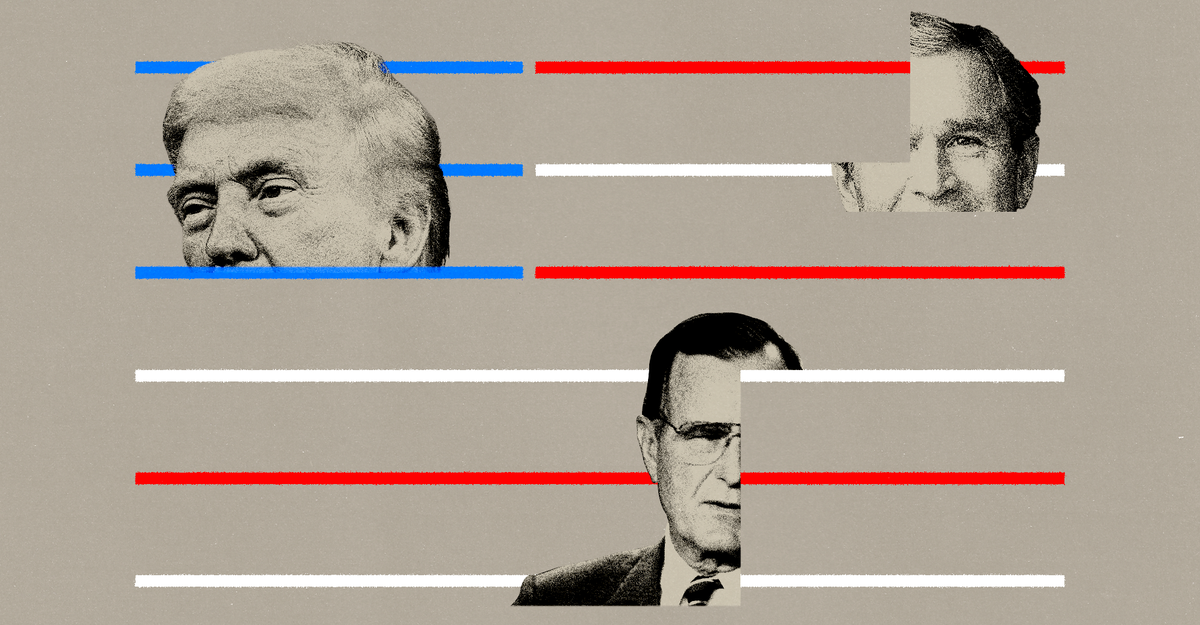
"During the first Gulf War, in February 1991, George H. W. Bush called on the Iraqi people to "take matters into their own hands to force Saddam Hussein, the dictator, to step aside." Coalition aircraft dropped leaflets urging Iraqi civilians and troops to rise up. But when the country's oppressed Shia and Kurdish populations followed that exhortation, Hussein's surviving forces crushed them, killing tens of thousands of people, while the United States military stood by and did nothing."
"Regime change on the cheap-by covert action, military coup, air power, or short ground war-has tempted almost every American president since World War II. No wonder: It offers to solve a difficult foreign problem with little cost to Americans. We remember the wars in Afghanistan and Iraq as prolonged, bloody, ultimately futile attempts to remake recalcitrant foreign countries as democracies."
"The original plan in Iraq called for a rapid transfer of power to a group of exiles in the spring of 2003, followed by early elections and the withdrawal of all but 30,000 American troops by summer's end. This would be regime change without nation building, the best of both worlds, and it was really no plan at all, for it depended on magical thinking: Iraqis would be so hungry for democracy that they would build it for themselves."
American presidents have repeatedly pursued low-cost regime change through various means including covert action, military coups, and air power since World War II. President George H. W. Bush urged Iraqi Shia and Kurdish populations to overthrow Saddam Hussein during the 1991 Gulf War, then abandoned them when Hussein's forces brutally suppressed the uprising, killing tens of thousands. Similarly, Donald Trump recently recorded a video urging Iranian people to take over their government without providing concrete support or strategy. The Iraq War exemplifies this pattern: President George W. Bush intended a brief, low-cost operation with rapid power transfer to exiles and early withdrawal, but this plan relied on unrealistic assumptions about Iraqi democratic aspirations. When chaos erupted in Baghdad, undermanned American forces lacked orders to maintain security, revealing the fundamental inadequacy of regime-change strategies lacking genuine nation-building commitment.
Read at The Atlantic
Unable to calculate read time
Collection
[
|
...
]