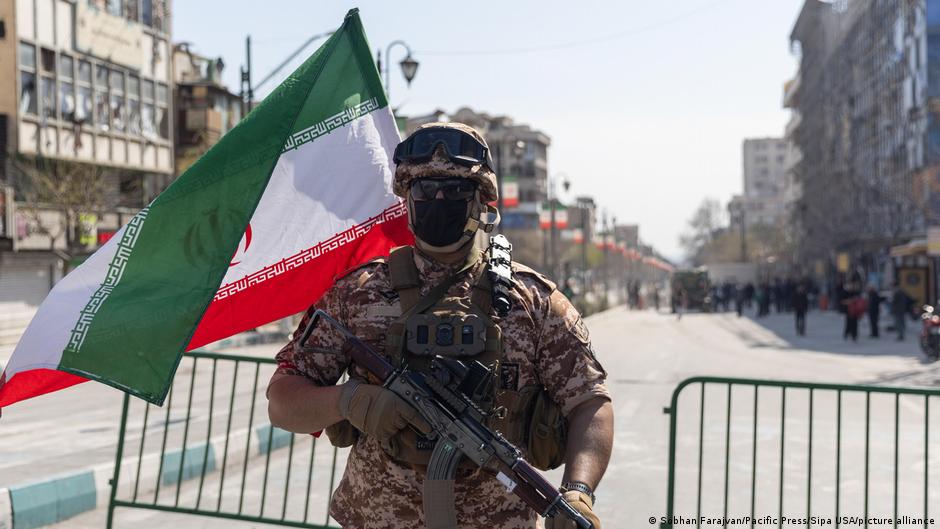
"Tehran has an interest in strengthening its strategic, economic, military security, religious, and scientific and academic partnerships with African countries while at the same time circumventing international sanctions as far as possible. The export of technological and industrial know-how plays a particularly important role."
"In 2025, the volume of trade between Iran and Africa recorded a spectacular increase: Iranian exports rose by 85% compared to 2024. Iran accepts numerous African students at its universities and is establishing technical and cultural partnerships with several countries on the continent."
"The war is disrupting global trade, diverting ships from the Suez Canal to the longer route around Africa via the Cape of Good Hope, which increases shipping costs, and drives up prices for consumers. For example prices at gas stations in Nigeria rose by around 11% this week."
Iran's engagement with Africa spans centuries, from 16th-century Indian Ocean trade networks to modern strategic partnerships. Since 1979, Iran has systematically strengthened ties through multiple channels: technological and industrial exports, university education for African students, technical and cultural partnerships, and humanitarian initiatives. In 2025, Iranian exports to Africa surged 85% compared to 2024. However, the US-Israel conflict with Iran disrupts African economies through global trade disruptions, increased shipping costs via Cape of Good Hope rerouting, and rising consumer prices. This geopolitical tension threatens African workers abroad, particularly the 400,000 Kenyans employed in Gulf states, while creating economic headwinds for already highly indebted nations.
#iran-africa-relations #international-sanctions #trade-disruption #geopolitical-conflict #economic-impact
Read at www.dw.com
Unable to calculate read time
Collection
[
|
...
]