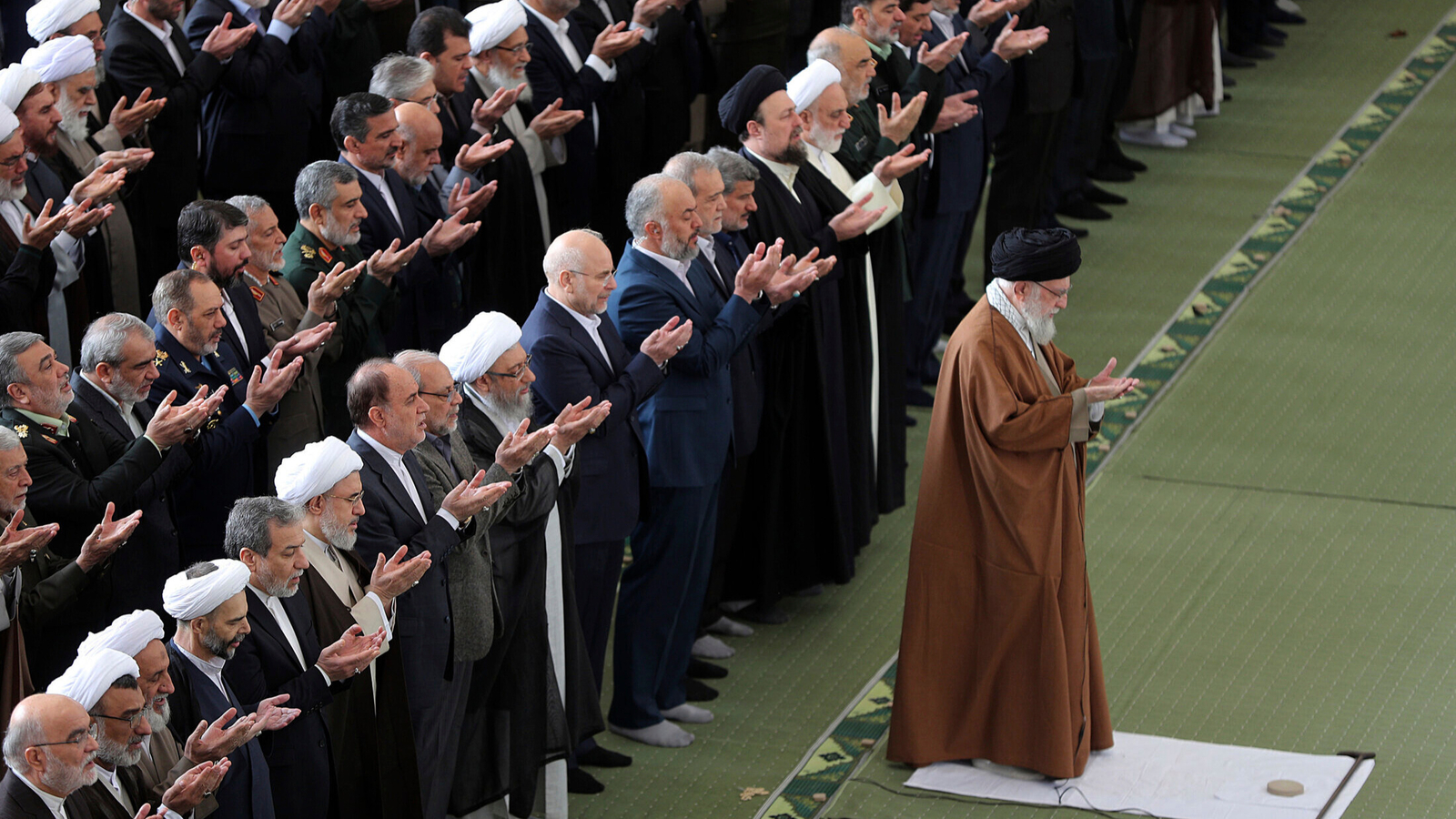
"As outlined in its constitution, Iran on Sunday formed a council to assume leadership duties and govern the country. The council is made up of Iran's sitting president, the head of the country's judiciary and a member of the Guardian Council chosen by Iran's Expediency Council, which advises the supreme leader and settles disputes with parliament."
"Though the leadership council will govern in the interim, an 88-member panel called the Assembly of Experts "must, as soon as possible" pick a new supreme leader under Iranian law. The panel consists entirely of Shiite clerics who are popularly elected every eight years and whose candidacies are approved by the Guardian Council, Iran's constitutional watchdog."
"The Guardian Council barred former Iranian President Hassan Rouhani, a relative moderate whose administration struck the 2015 nuclear deal with world powers, from election for the Assembly of Experts in March 2024."
Following Supreme Leader Ayatollah Ali Khamenei's death after 37 years in power, Iran activated constitutional succession procedures. A temporary leadership council comprising the reformist president Masoud Pezeshkian, hard-line judiciary chief Gholamhossein Mohseni Ejei, and a Guardian Council member assumed interim governance duties. The 88-member Assembly of Experts, composed of popularly elected Shiite clerics whose candidacies require Guardian Council approval, must select a new supreme leader as soon as possible. The Guardian Council maintains significant gatekeeping power, having previously disqualified moderate former President Hassan Rouhani from Assembly elections. Succession deliberations occur privately, making it difficult to identify leading contenders for the position.
Read at ABC7 Chicago
Unable to calculate read time
Collection
[
|
...
]