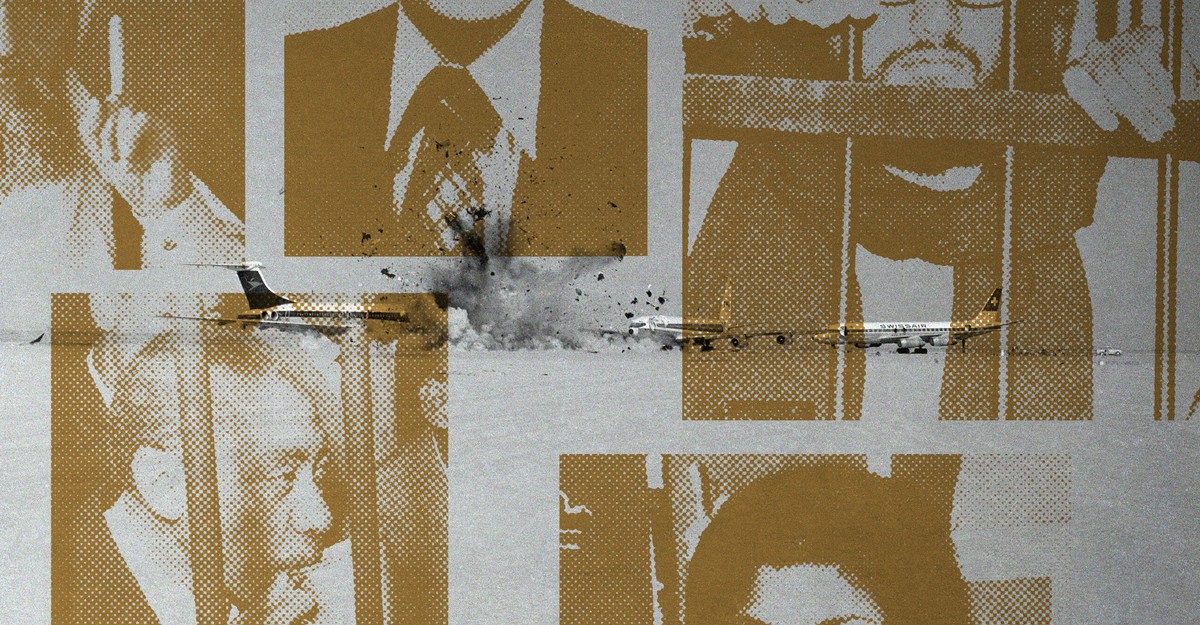
"In late 1967, a young Nicaraguan American UCLA graduate named Patrick Arguello wrote to a friend about the death of Ernesto "Che" Guevara. The insurgent leader had been killed in Bolivia by CIA-trained Special Forces while trying to raise the rural masses against their right-wing government. Che was a hero of Arguello's, and he was devastated by the news. But Che's death did not signal "the end of the struggle," Arguello wrote."
"At almost exactly the same time, the execution of another ideologue inspired another young man to join the cause of revolutionary violence. Ayman al-Zawahiri, an introverted and intense child of a well-to-do family in Cairo, was a teenager when he learned that Syed Qutb, a senior official in the Muslim Brotherhood, had been hanged in prison. Qutb was a melancholic, misogynistic former bureaucrat and literary critic who'd been accused of trying to assassinate the Egyptian president. While behind bars, he had written a book, Milestones, which called for a renewal of faith among Muslims and a purging of Western influences-consumerism, moral decadence, capitalism."
Patrick Arguello, a Nicaraguan American UCLA graduate, was radicalized by Che Guevara's death, began working for the Sandinistas, and died in 1970 attempting a PFLP hijacking. Syed Qutb's execution and his book Milestones inspired Ayman al-Zawahiri to form a violent cell and later lead al-Qaeda until his death by a U.S. missile in Kabul in 2022. Modern Islamist extremism began gaining force in the 1960s, two decades before the Afghan war, emerging amid wider revolutionary ferment while leftist movements flourished. Leftists rejected religion, while Islamists vilified Communists and the Soviet Union.
Read at The Atlantic
Unable to calculate read time
Collection
[
|
...
]