"Britain's gas storage levels are broadly in line with what we would expect at this point in the year and are comparable to this time last year. It's important to remember that storage makes up only a small part of Britain's diverse gas supply mix. The majority of our gas comes from the UK continental shelf and Norway, complemented by LNG, interconnectors with continental Europe, and storage."
"Great Britain had 6,999 gigawatt hours (GWh) of natural gas stored on Saturday, according to figures from National Gas, which owns and operates the gas national transmission system. This compares with 9,105 GWh a year earlier. Maximum capacity is 12 days of gas, and current storage levels equate to under two days of reserves, leading to concerns that Great Britain could run out of gas if the crisis in the Middle East escalates further."
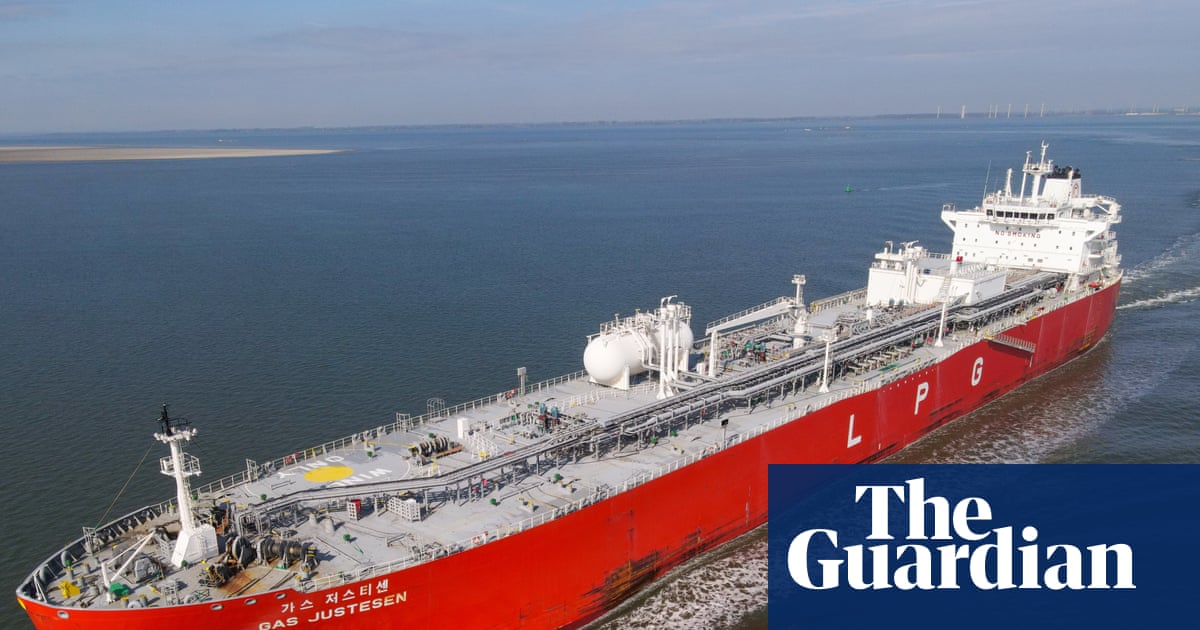
"At least two tankers have redirected in the middle of the Atlantic from Europe to Asia since Friday, according to ship-tracking data compiled by Bloomberg. This comes after three similar diversions last week. Gas prices have soared since the US and Israel began intense air strikes on Iran over a week ago. Iran effectively closed the strait of Hormuz, through which a fifth of global seaborne gas shipments pass."
Great Britain's natural gas storage reserves have fallen to approximately 6,999 GWh, representing less than two days of maximum capacity compared to 9,105 GWh a year earlier. This decline coincides with geopolitical tensions in the Middle East, where LNG tankers are being redirected from Europe to Asia due to the Iran conflict. Iran's closure of the Strait of Hormuz and attacks on Qatar's LNG facilities have disrupted global gas supplies and driven up prices. However, National Gas emphasizes that storage represents only a small portion of Britain's gas supply. The country maintains diverse energy sources including UK continental shelf production, Norwegian imports, LNG shipments, and interconnectors with continental Europe, providing sufficient flexibility to meet demand despite current storage constraints.
#natural-gas-storage-crisis #energy-supply-diversification #middle-east-geopolitical-impact #lng-market-disruption #uk-energy-security
Read at www.theguardian.com
Unable to calculate read time
Collection
[
|
...
]