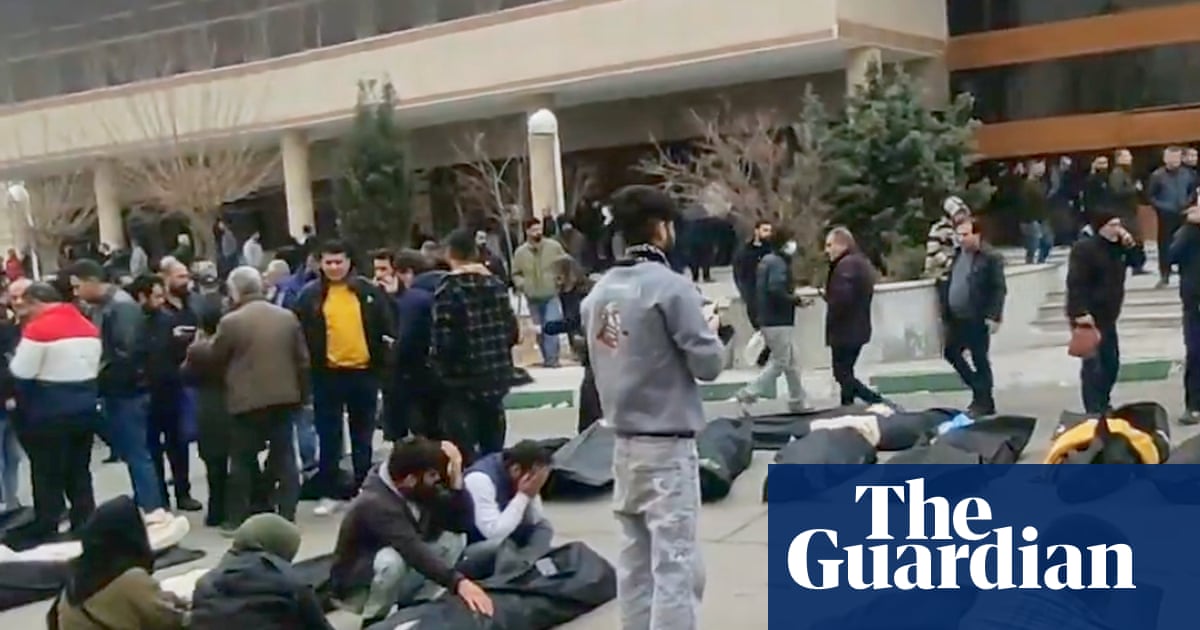
On 8 January in a midsize Iranian town, emergency staff reported wounded protesters avoiding hospitals for fear of identification and arrest. Dr Ahmadi and his wife began treating patients covertly outside the government hospital system, receiving mostly lacerations needing stitches and antibiotics. The following day casualties escalated to close-range gunshot and severe stab wounds to the chest, eyes and genitals, with many fatalities; more than 40 died in Ahmadi's town alone. With the internet blacked out, Ahmadi organized a network of over 80 medical professionals across 12 provinces to share observations, combine data, and document much higher death tolls than publicly cited.
"Quietly, Ahmadi [who remains anonymous due to fear of reprisals, but whose identity, credentials and presence within Iran during the unrest have been verified by the Guardian] and his wife began treating patients at a location outside Iran's government hospital system. Alerted by a local whisper network, wounded young people flocked to them. Mostly, they brought superficial injuries laceration wounds needing stitches and antibiotics."
"Protesters kept coming, but their injuries were close-range gunshots and severe stab wounds, typically to the chest, eyes and genitals. Many proved fatal. Ahmadi was shocked by the number being killed more than 40 in his small town alone but with the internet blacked out, no one knew what the national picture was. To piece it together, Ahmadi assembled a network of more than 80 medical professionals across 12 of Iran's 31 provinces to share observations and data,"
Read at www.theguardian.com
Unable to calculate read time
Collection
[
|
...
]