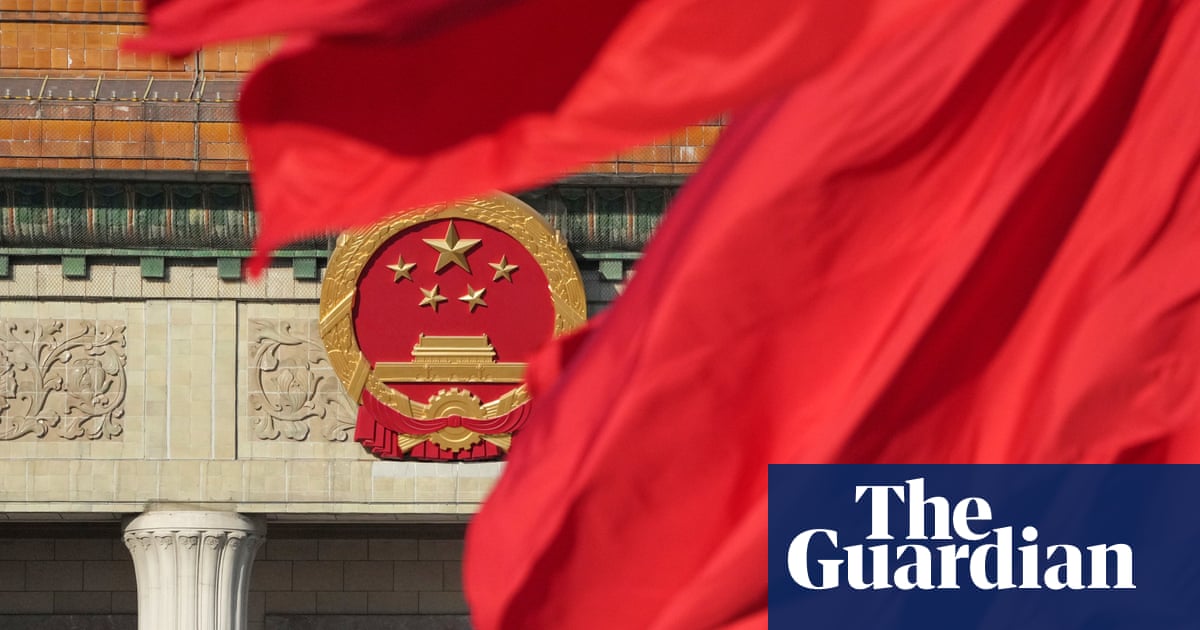
China's National People's Congress will vote on multiple new laws including an ethnic unity law, environmental code, and 15th five-year economic plan for 2026-2030. The NPC, functioning as a rubber-stamp parliament that has never rejected agenda items, is expected to approve all proposed legislation. A significant announcement from this year's gathering was the historically low 4.5% GDP growth target for 2026, the lowest in decades, reflecting Beijing's shifting priorities and economic challenges. The new ethnic unity law mandates Mandarin as the default language in schools, diminishing the role of minority ethnic languages like Tibetan, Uyghur, and Mongolian. This policy aligns with Xi Jinping's sinicization agenda, assimilating ethnic minority cultures into Han majority culture.
"The NPC, which is often described as a rubber-stamp parliament, has never rejected an item on its agenda. The votes will take place at this year's two sessions, concurrent meetings of the NPC and a separate Communist party advisory body, draws to a close."
"One key policy for Xi Jinping, China's president, is the sinicisation of China's ethnic minorities ie, assimilating their cultures as far as possible into that of the Han ethnic majority. Xi has said that China's ethnic groups should be like pomegranate seeds that stick together."
"China's new law on ethnic unity will require schools to use Mandarin by default, taking priority over minority ethnic languages such as Tibetan, Uyghur and Mongolian."
#china-ethnic-policy #mandarin-language-education #sinicization #national-peoples-congress #minority-rights
Read at www.theguardian.com
Unable to calculate read time
Collection
[
|
...
]