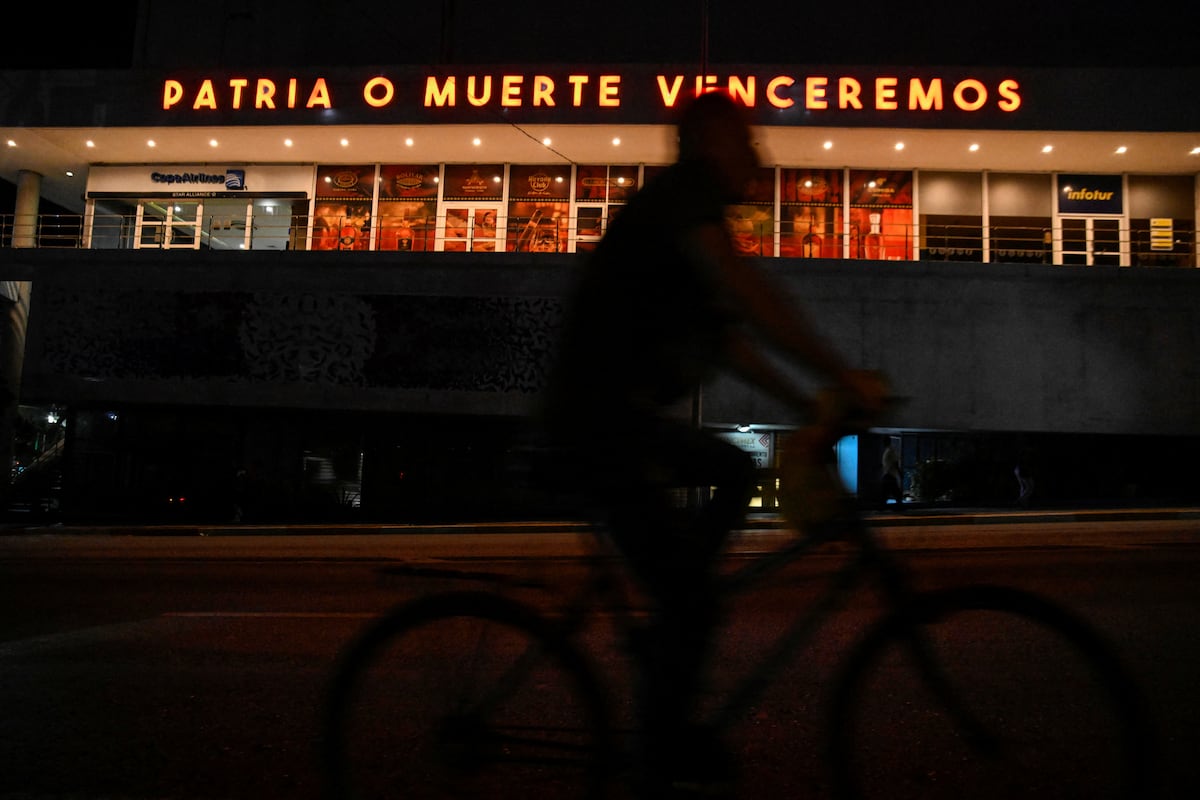
"With hardly any outside aid, the first signs of economic liberalization appeared, the dollar was decriminalized, and some small private businesses emerged. While the government loosened its grip, it began to thoroughly study other cases of authoritarian regimes that had transitioned toward a certain degree of openness—economic rather than political—thinking about how to survive without ever relinquishing power."
"In the late 1990s, a government commission even traveled to China and Vietnam to evaluate the reform packages implemented by both communist regimes to open up to the market. The Mexican experience of the chameleon-like Institutional Revolutionary Party (PRI), which held power for seven decades with a final phase that dismantled much of the state's role in the economy, was also studied."
"Fidel Castro was never truly convinced that a balance between market forces and the control of the Communist Party was possible. At the beginning of the following decade, Fidel himself closed the door and tightened ranks. That economic commission of experts was dissolved, and a kind of parallel government was created."
Cuba has demonstrated resilience through multiple survival strategies across decades. Following the Bay of Pigs invasion, it aligned with the Soviet Union. When Soviet support collapsed in the 1990s, Cuba faced economic hardship but pursued limited liberalization, decriminalized the dollar, and permitted small private businesses. The government studied reform models from China, Vietnam, and Mexico's PRI to understand how authoritarian regimes could open economically while maintaining political control. However, Fidel Castro ultimately rejected this balanced approach. In the early 2000s, he dissolved the economic reform commission and established a parallel government structure to enforce ideological compliance among ministers, effectively closing the door on market-oriented reforms.
Read at english.elpais.com
Unable to calculate read time
Collection
[
|
...
]